 Sudden Valley Siding
 Siding Built for Alger's Coastal Northwest Climate
Homes in and around Alger sit in a stretch of Northwest Washington where the weather doesn't do anything in half measures. You get salt-tinged air drifting in off the water, long stretches of driving rain that come sideways more often than straight down, and a damp, shaded growing season that's just as happy to put moss on your roof and siding as it is on your lawn. It's a beautiful place to live. It's also a demanding place to own a house.
Exterior materials here don't get judged on how they look the day they're installed. They get judged on how they hold up after five, ten, twenty winters of that cycle repeating: wet, damp, wet again, with brief dry spells that never quite finish the drying-out job before the next system rolls through. That's the lens we use for every siding, roofing, window, and decking job we take on in this area.
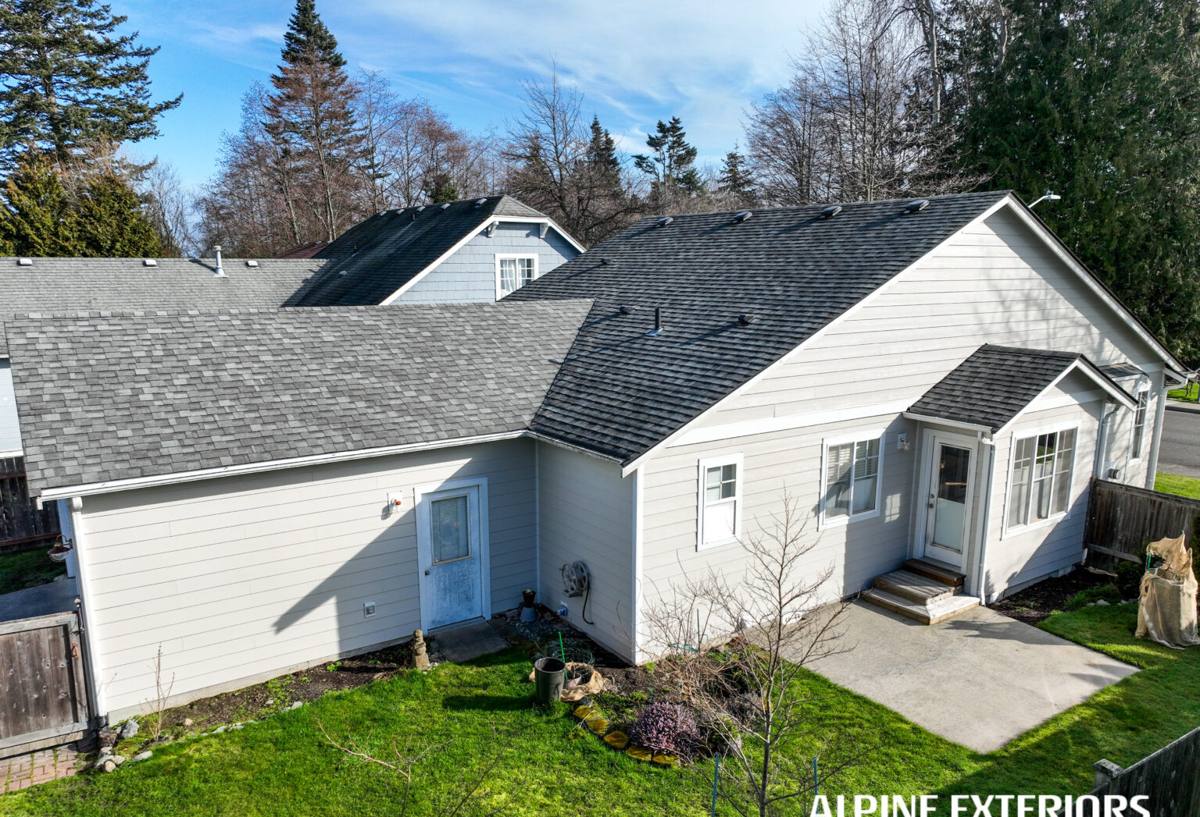
What Local Homes Are Up Against
Salt Air and Moisture
Even communities that aren't right on the shoreline get salt-laden air moving through on a regular basis. Combined with the region's high humidity, that air accelerates corrosion on fasteners, trim, and any exterior material that isn't rated to handle it. Over time, this is what causes premature rusting on hardware and speeds up the breakdown of siding materials that weren't engineered with coastal exposure in mind.
Driving Rain
Wind-driven rain doesn't just fall on a wall — it gets pushed into every seam, lap joint, and fastener penetration on the exterior. Siding systems and window installations that rely on caulk and good intentions rather than proper flashing and drainage details are the ones that let water behind the cladding. Once moisture gets behind siding in a climate this wet, it rarely has enough dry time between storms to fully evaporate.
Moss and Organic Growth
Shade, moisture, and mild temperatures are a perfect recipe for moss, algae, and lichen. On roofs, moss holds water against shingles and can work its way under tabs. On siding, it holds moisture against the surface longer than it would otherwise sit there, which matters a lot for materials that absorb water rather than shed it. Decks in shaded yards face the same problem underfoot, where trapped moisture speeds up rot in wood that isn't properly sealed and maintained.
Why We Only Install James Hardie Fiber Cement Siding
We get asked fairly often why we don't offer vinyl, LP SmartSide, or some of the other fiber cement brands on the market. The honest answer is that after years of doing this work in exactly this climate, we standardized on one product line because it's the one we're comfortable standing behind long-term.
- Non-combustible core: James Hardie siding is fiber cement, not an engineered wood product, so it doesn't carry the moisture-driven swelling risk that wood-based siding can face at cut edges and panel joints over time.
- Factory-applied ColorPlus finish: The finish is baked on under controlled conditions rather than field-applied, which gives more consistent coverage and better resistance to fading from UV and salt air than most site-painted products.
- Climate-engineered HZ product lines: Hardie makes region-specific formulations (HZ5 for our zone) designed around moisture and freeze-thaw exposure rather than a one-size-fits-all mix.
- Strong transferable warranty: A meaningful warranty only matters if the product and the installation both hold up long enough to need it. Hardie's track record over decades gives us confidence in offering it.
To be fair to the alternatives: vinyl is inexpensive and low-maintenance in mild climates, and engineered wood siding can look great when it's new. Our decision isn't that those products are junk — it's that for this specific climate, with this much sustained moisture exposure, we don't think they hold up as consistently as fiber cement does, and we'd rather install one product well than offer several we have reservations about.
Our Exterior Services for Alger-Area Homes
Siding Installation and Replacement
We install James Hardie lap siding, shingle-style panels, and trim, with flashing and drainage details built to handle sustained wind-driven rain rather than just shed water in a light drizzle. Correct installation — proper fastener spacing, house wrap integration, and clearances at grade and roof lines — matters as much as the product itself in a climate like this.
Roofing
Roofs in shaded, damp lots deal with moss and organic growth more than almost anything else. We look at ventilation, underlayment, and material choice together, since a roof that can't dry out between storms is a roof that ages faster than its warranty suggests it should.
Windows
Window replacement is as much about the flashing and integration with the siding as it is about the window unit itself. A well-built window installed with poor flashing details will leak in this climate eventually — it's just a matter of time.
Decks
Decks take a beating from standing moisture, especially in shaded yards where surfaces don't dry quickly. We build and repair decks with drainage, ledger flashing, and material choices aimed at slowing rot rather than just patching around it after the fact.
Comparing Siding Options for This Climate
| Factor | Vinyl | Engineered Wood (LP SmartSide) | James Hardie Fiber Cement |
|---|---|---|---|
| Moisture resistance | Doesn't absorb water, but seams can allow water intrusion behind panels | Treated to resist moisture, but cut edges need diligent sealing and maintenance | Cement-based; doesn't swell or rot from moisture absorption |
| Salt air durability | Can become brittle over time with UV and temperature swings | Vulnerable at exposed edges if maintenance lapses | Engineered for coastal/marine exposure in HZ5 formulation |
| Finish longevity | Color molded in, but can fade and chalk over time | Often factory-primed, needs field paint upkeep | Factory-baked ColorPlus finish resists fading |
| Fire performance | Combustible | Combustible (wood-based) | Non-combustible |
| Typical maintenance | Low, but repairs can be visually obvious | Requires periodic caulking, edge sealing, repainting | Occasional caulk checks; no full repainting cycle needed |
What Drives Cost on a Local Siding Project
- Home size and complexity: More corners, gables, and trim details mean more labor and material cuts.
- Existing siding removal: Tear-off of old material and any needed sheathing repair adds time before new siding goes up.
- Moisture damage found during removal: In this climate, it's common to find some degree of hidden water damage once old siding comes off — this is priced once it's actually visible, not guessed at up front.
- Product line and profile: Lap siding, shingle-style panels, and trim packages carry different material costs.
- Site access: Steep lots, limited driveway access, or tight setbacks can affect staging and labor time.
We don't publish blanket price lists because every home and every scope of work is different — but we're upfront about these cost drivers during the estimate so there are no surprises.
What to Look for in a Local Contractor
- Manufacturer training or certification specific to the siding product being installed
- Willingness to explain flashing and drainage details, not just the visible finish
- Local references and a physical presence in the region — not a crew passing through
- Clear, written scope of work and warranty terms before any work begins
- Proper licensing and insurance, verifiable through Washington state records
A crew that's used to working in this specific weather pattern — not just "the Pacific Northwest" in general — is going to catch details that matter here: how far to keep siding off grade given our rain volumes, how to detail a window against wind-driven rain, and where moss is likely to become a maintenance issue on a given roof pitch or shaded elevation.
Maintenance Realities for This Area
No exterior material is maintenance-free in a climate this wet. Even with James Hardie siding, homeowners in Alger and the surrounding area should expect to periodically check caulking at trim joints, keep gutters clear so water isn't dumping down the wall face, and stay ahead of moss on roofs and shaded siding sections before it becomes a bigger problem. The difference with fiber cement is that the base material itself isn't the weak point — the maintenance is about the details around it, not about the siding absorbing water and breaking down over time.
Get a Free, No-Pressure Estimate
If you're weighing siding, roofing, window, or deck work on a home in the Alger area, we're happy to take a look and walk you through what we see — no pressure, no hard sell. Use the form below to request a free estimate.