 Sudden Valley Siding
 Exterior Work in Barkley Has to Answer to the Weather
Homes in the Barkley area sit inside one of the wetter, more humid corners of Whatcom County, and that shows up on siding long before it shows up anywhere else on a house. Between the driving rain off the water, the salt-tinged marine air that moves through this part of Washington, and a moss season that can run most of the year in shaded spots, exterior surfaces here work harder than they do almost anywhere else in the state. A siding job that looks fine on day one but wasn't built for this climate usually starts showing its age within a few short years.
We install siding, roofing, windows, and decks for homeowners throughout Whatcom County, and Barkley properties are a regular part of that work. The approach we take here isn't generic — it's shaped by what we consistently see fail on homes in this specific climate, and what holds up instead.
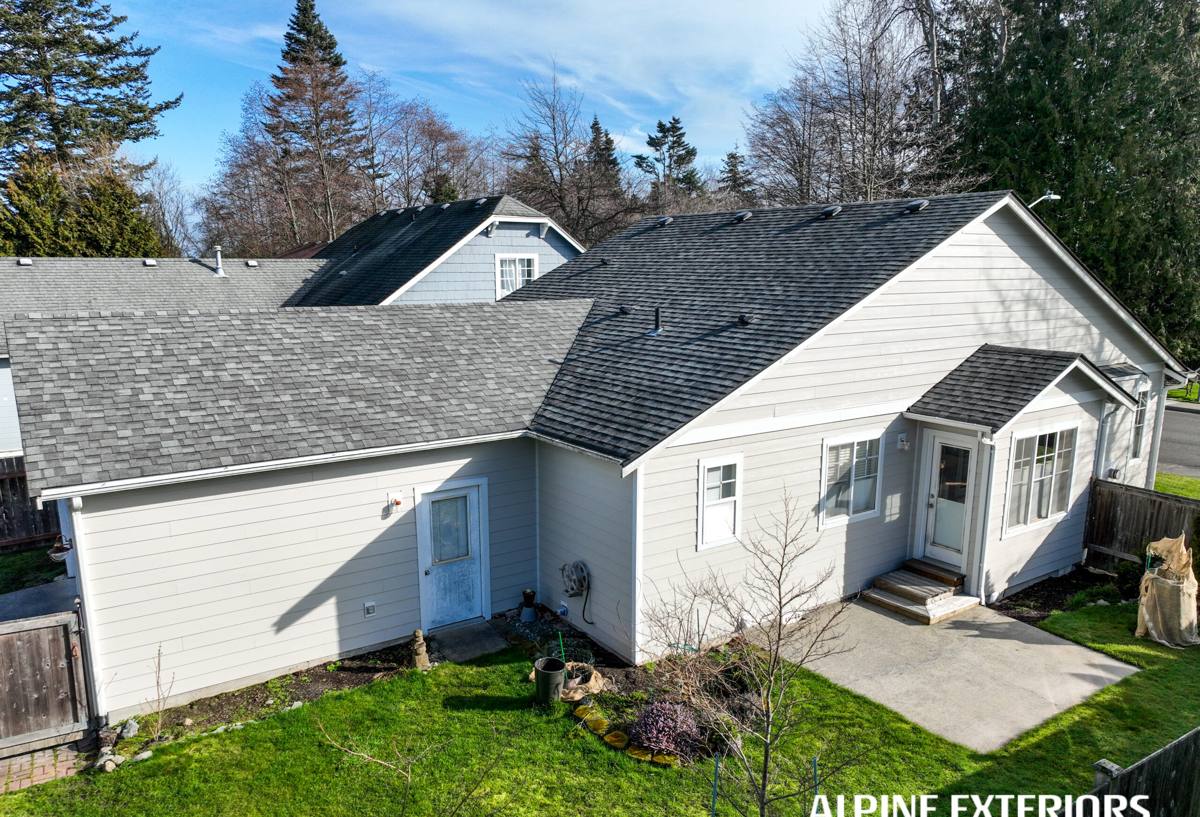
What This Climate Does to a House Over Time
Moisture and Moss
Northwest Washington doesn't get dramatic weather so much as constant weather. Long stretches of overcast, damp days keep exterior surfaces wet for extended periods, and shaded north- and east-facing walls rarely get enough direct sun to dry out fully between rain events. That's exactly the environment moss, algae, and mildew need. On porous or wood-based siding, sustained moisture doesn't just sit on the surface — it gets absorbed, and that's when swelling, soft spots, and paint failure start.
Salt Air and Coastal Exposure
Whatcom County's proximity to Puget Sound and Bellingham Bay means many homes, including plenty in and around Barkley, get some degree of salt-laden air, especially on breezy days. Salt air accelerates corrosion on fasteners, trim metal, and any exposed hardware, and it can chalk or dull lower-quality paint finishes faster than inland climates would.
Driving Rain and Wind-Driven Water
Rain here doesn't always fall straight down. Wind off the water pushes it sideways into wall assemblies, which puts real pressure on seams, laps, caulk joints, and flashing details. A siding system with weak moisture management, or an installation that cuts corners on flashing, will let water find its way behind the cladding — and once it's behind the siding, the damage is happening where you can't see it until it's expensive.
Why We Install Only James Hardie Fiber Cement
We made a deliberate decision as a company: we install James Hardie fiber cement siding, and we don't install vinyl, LP SmartSide, Cemplank, Allura, or primed spruce and cedar siding. That's not a marketing position — it's a standard we hold because of what we've seen these products do, and not do, in exactly this kind of climate.
Vinyl siding is affordable and low-maintenance in the sense that it doesn't need painting, but it's a thin plastic product that can warp in temperature swings, crack in cold snaps, and simply doesn't hold up structurally the way fiber cement does over decades. Wood-based composite products like LP SmartSide use engineered wood strand technology that performs reasonably well when installation and maintenance are perfect, but any breach in the factory coating — a nick, an unsealed cut edge, a failed caulk joint — gives moisture a path into the wood fiber core, and in a climate this wet, that's a real risk over the life of the siding. Primed spruce and cedar are traditional, attractive materials, but they're wood: they need repainting on a real cycle, they're vulnerable to rot in persistently damp conditions, and moss and mildew take hold on them readily in this region.
James Hardie fiber cement is cement, sand, and cellulose fiber — it doesn't have an organic wood core to rot, it doesn't warp or crack from temperature swings the way vinyl can, and it's non-combustible, which matters more every year as wildfire smoke and ember exposure become a bigger part of Pacific Northwest summers. It resists moisture intrusion, holds paint and factory finish far longer than wood, and it's backed by a strong transferable warranty when installed to Hardie's specifications. That's why it's the only siding product we put on homes.
Hardie Product Lines Suited to This Climate
Hardie engineers its siding by climate zone, and homes here fall into the HZ10 zone, built for wetter, colder Pacific Northwest conditions. We work primarily with a few Hardie product lines depending on the look a homeowner wants:
| Product | Look | Best Suited For |
|---|---|---|
| HardiePlank lap siding | Traditional horizontal lap, several profiles | Most Barkley-area homes; classic or modern styling |
| HardieShingle | Staggered or straight-edge shingle panels | Craftsman and cottage-style homes, accent gables |
| HardiePanel vertical siding | Board-and-batten, vertical panel | Modern builds, accent walls, garages |
| HardieTrim | Fiber cement trim boards | Corners, window and door surrounds, fascia |
Nearly all of it goes on with Hardie's ColorPlus factory finish, a baked-on coating that's more consistent and more weather-resistant than field-applied paint, and that carries its own finish warranty separate from the substrate warranty. In a climate where UV exposure is lower but moisture exposure is constant, that factory-cured finish is a real advantage over anything painted on-site.
Roofing, Windows, and Decks: The Rest of the Envelope
Siding doesn't work in isolation — it's one piece of how a house sheds water and holds up to weather, and we handle the rest of that system too.
Roofing
A roof in poor condition sends water down behind siding and trim regardless of how good the siding itself is. We check roof condition, flashing, and gutter function as part of any siding evaluation, because a lot of what looks like a siding problem is actually a roof drainage problem showing up lower on the wall.
Windows
Window flashing and trim integration is one of the most common failure points we find during siding tear-off — old or improperly flashed windows are frequently where hidden water damage originates. When we replace siding around existing windows, we make sure that flashing and integration are done correctly, and we offer window replacement directly when a window itself has reached the end of its service life.
Decks
Decks take the same driving rain and moisture exposure as siding, often with less protection, since they're horizontal and rarely have generous roof overhangs. We build and repair decks with materials and drainage details suited to this climate, so the deck isn't quietly feeding moisture back toward the house.
What a Local Crew Brings to a Barkley Project
Whatcom County weather isn't the same as siding weather in Spokane, or Seattle, or anywhere with a drier or more moderate climate. A crew that works this region regularly knows to flash a window or wall penetration for wind-driven rain, not just vertical rain. They know which walls in a given yard get shaded and stay damp longer, and they plan ventilation and moisture management accordingly. That local, repeated exposure to this specific climate is part of what separates a siding job that lasts from one that needs attention again in five years.
We also stand behind the work with a crew that's still local and reachable if a question comes up after the job is done — not a name from an out-of-area company that's moved on to the next region.
Signs Your Siding May Need Attention
Homeowners in Barkley and the surrounding Whatcom County area should watch for a few consistent warning signs, especially on wood, composite, or older vinyl siding:
- Persistent moss, algae, or dark streaking that returns quickly after cleaning
- Soft, spongy, or crumbling spots when you press on the siding surface
- Peeling, bubbling, or chalking paint that reappears within a year or two of repainting
- Visible gaps, warping, or buckling in panels, especially near seams and corners
- Rising energy bills that suggest the wall assembly isn't insulating or sealing the way it should
- Staining or discoloration around window and door trim, which often points to hidden moisture intrusion
Any one of these on its own might be minor. Several together usually mean it's worth having someone take a real look before small problems turn into structural ones.
What Siding Replacement Typically Involves
Costs vary by home size, existing wall condition, and how much trim and detail work is involved, but a few factors consistently drive the price on projects in this area:
| Factor | Why It Matters |
|---|---|
| Existing wall condition | Hidden rot or water damage found during tear-off adds repair scope |
| Home size and complexity | More corners, gables, and trim detail mean more labor and material |
| Siding profile chosen | Lap, shingle, and panel styles vary in material and installation time |
| Access and site conditions | Slopes, landscaping, and building height affect staging and labor |
| Trim and accessory scope | Full HardieTrim packages add cost but improve long-term water management |
We walk every homeowner through these factors specifically for their house before any number gets put on paper — there's no useful way to price this kind of project sight unseen.
Our Process for Barkley-Area Homes
We start with an on-site evaluation of the existing siding, trim, roof edges, and any spots showing early moisture damage. From there we talk through product and profile options, walk through what correct flashing and installation looks like for the specific exposures on that home, and put together a clear scope before any work begins. Installation follows Hardie's fastening, clearance, and flashing specifications closely, because those details are what actually determine whether siding performs well in this climate for the next several decades or starts showing problems in year six.
If you're noticing wear on your siding, planning ahead for a renovation, or just want a straight answer about what your home's exterior actually needs, we're happy to take a look. Reach out for a free, no-pressure estimate using the form below.