 Sudden Valley Siding
 Exterior Contractors Serving Sehome
Sehome sits in central Bellingham, close enough to Bellingham Bay to feel the marine air on a still morning and hilly enough that houses on the slopes catch wind and driving rain that flatter neighborhoods rarely see. It's one of the city's older, more established areas, with a mix of housing stock that spans decades of building styles and, often, decades of exterior wear. We work on homes throughout Whatcom County, and Sehome comes with its own particular set of exterior problems worth understanding before you spend money fixing them.
This page covers siding, roofing, windows, and decks — the four exterior systems that take the brunt of a Whatcom County winter — and explains how we approach each one for a neighborhood like Sehome specifically.
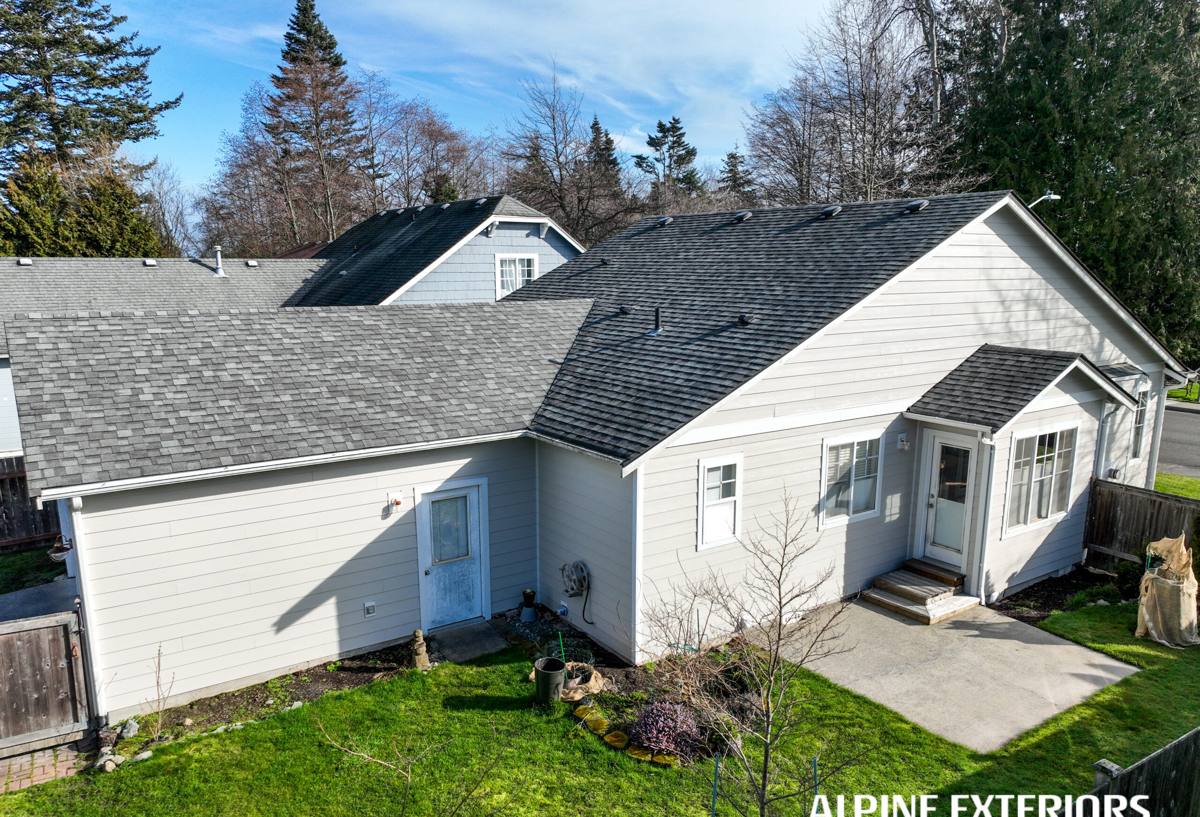
What Sehome's Climate Does to a House
Three things define exterior wear here: salt-tinged air off the bay, driving rain that comes in sideways during winter storms, and a moss season that can stretch from fall through spring under the tree canopy common in older Bellingham neighborhoods. None of these are dramatic on their own. The damage comes from repetition — the same cycle of wetting, drying, and re-wetting, year after year, on materials that weren't built to handle it.
Salt Air and Metal Fasteners
Proximity to salt water accelerates corrosion on anything metal that isn't rated for it — nail heads, flashing, hardware. Over enough years, that shows up as rust streaks bleeding through paint or siding, or fasteners that let go before the material around them fails. It's a slow process, which is exactly why it gets missed until it's expensive.
Driving Rain and Wind-Driven Moisture
Bellingham gets a lot of rain, but the volume isn't the whole story — it's the angle. Storms off the water push rain sideways into wall assemblies, testing every seam, joint, and piece of trim on a house. Materials and installation details that work fine in a dry climate can fail here simply because water gets pushed somewhere it was never supposed to go.
Moss, Shade, and Prolonged Dampness
Mature trees are part of what makes Sehome a pleasant place to live, but shade means surfaces stay damp longer after every rain. Moss and algae take hold on roofs, decking, and siding that doesn't get enough sun or airflow to dry out between storms. Left alone, that constant dampness works into seams and fastener points and shortens the life of whatever's underneath it.
Siding in Sehome: Why We Only Install James Hardie
Siding is the single biggest exterior surface on a house, and it's the first line of defense against everything described above. We install James Hardie fiber cement siding exclusively — we don't install vinyl, LP SmartSide, primed wood, or other fiber cement brands. That's a deliberate standard, not a sales preference, and it's worth explaining honestly.
What We Ruled Out and Why
- Vinyl siding is inexpensive and low-maintenance, but it's a plastic product that expands, contracts, and can warp or crack in temperature swings and impacts. It doesn't hold paint if you ever want a different color, and it's a fuel source in a fire, not a barrier.
- LP SmartSide and other engineered wood products perform reasonably well when installation and caulking are perfect and stay perfect, but they're wood-based, which means they're more vulnerable to prolonged moisture exposure at cut edges and seams than fiber cement is — a real concern in a climate that rarely gives siding a long chance to dry out.
- Primed cedar or spruce looks great on day one but demands ongoing painting, caulking, and moisture vigilance that most homeowners underestimate until the maintenance bills show up.
- Other fiber cement brands may be reasonable products, but we've standardized on one manufacturer, one set of installation specs, and one warranty structure so we know exactly what we're installing and how it will hold up.
Why James Hardie
Hardie fiber cement is non-combustible, doesn't rot, and holds up to sustained moisture exposure far better than wood-based alternatives. Its ColorPlus factory-baked finish resists fading and chipping better than field-applied paint, which matters in a neighborhood that gets a lot of sun exposure on south- and west-facing walls in summer and heavy rain the rest of the year. Hardie also engineers specific product lines (HZ5, for example) for climates like ours, and the warranty is transferable if you sell the house — a detail buyers notice.
Siding Material Comparison
| Factor | Vinyl | Engineered Wood | James Hardie Fiber Cement |
|---|---|---|---|
| Moisture tolerance | Doesn't rot, but seams can trap water behind it | Vulnerable at cut edges and seams over time | Engineered to resist moisture damage |
| Fire behavior | Combustible plastic | Combustible, wood-based | Non-combustible |
| Finish durability | Can fade, brittle in cold | Needs repainting on a cycle | Factory ColorPlus finish, long repaint interval |
| Typical lifespan | 20-30 years | 20-30 years with upkeep | 30-50+ years installed to spec |
| Repainting needed | Rarely, but can't change color easily | Yes, periodically | Rarely, factory finish |
Roofing for Sehome's Tree Cover and Storm Exposure
Roofs in shaded, older parts of Bellingham like Sehome deal with moss growth and needle debris that traps moisture against shingles far more than roofs in open, sunny areas. That accelerates granule loss and shortens shingle life if the roof isn't cleaned and maintained. We also pay close attention to flashing details around chimneys, vents, and valleys, since that's where wind-driven rain finds its way in first. A roof that's otherwise sound can still leak if the flashing was cut corners during a past install or repair.
What We Check on Sehome Roofs
- Moss and organic buildup, especially on north-facing and shaded slopes
- Flashing condition around penetrations and valleys
- Gutter and downspout function — undersized or clogged gutters push water back under roof edges
- Attic ventilation, which affects both roof lifespan and moisture buildup inside the house
Windows: Sealing Out a Marine Climate
Older Sehome homes often still have original or early-replacement windows that were never rated for the air-sealing and moisture performance modern units achieve. Failed seals show up as fogging between panes, drafts, and condensation on frames — all signs that the window is no longer doing its job of keeping wind-driven rain and damp air out. Window replacement is also a natural moment to correct flashing and water management details around the opening, since a new window installed over an old, compromised flashing detail just repeats the same problem in a nicer frame.
Decks: Built for Shade and Standing Moisture
A deck under tree cover in Sehome dries slower after every rain than one in full sun, which means moss, algae, and softwood decay show up faster if the structure wasn't built with drainage and airflow in mind. Ledger board attachment and flashing at the house connection are the most common failure points we find on older decks — that's the joint that takes the most water and the most structural load at once. When we build or rebuild a deck here, we're thinking about how it sheds water and how it dries, not just how it looks the day it's finished.
Why a Local Whatcom County Crew Matters
A contractor who only works occasionally in this climate doesn't build the same instincts as a crew that deals with Bellingham's rain, wind, and moss patterns every week. We know which details actually matter here — flashing laps, fastener choice, ventilation gaps — because we see what fails when they're skipped, on real homes in this same weather. That's not something you can fully substitute with a product spec sheet, no matter how good the product is.
What to Ask Any Contractor Before You Hire
- Are you licensed and insured to work in Washington, and can you show proof?
- Do you have current references from projects in this climate, not just photos?
- What's your specific plan for flashing and water management at seams and penetrations?
- What warranty applies to materials, and separately, what warranty applies to your labor?
- Will the same crew that quotes the job also be the crew doing the work?
Get a Free, No-Pressure Estimate
If your Sehome home is showing moss buildup, fading or cracking siding, drafty windows, or a deck that never quite dries out, it's worth having a local crew take a look before small problems turn into expensive ones. We offer free estimates with no pressure to commit on the spot — just an honest look at what your house actually needs.