 Sudden Valley Siding
 Asphalt Shingle Roofing Built for Acme's Climate
Acme sits in a part of Whatcom County where the weather doesn't do anything halfway. Homes here get long stretches of steady rain, damp air that never fully clears, and shaded rooflines that stay wet longer than roofs out in the open. That combination is exactly what wears down asphalt shingle roofs faster than the manufacturer's own literature suggests. A roof that would last three decades in a dry climate can start showing granule loss, moss colonies, and soft decking well before then if it wasn't installed with this specific environment in mind.
We install and repair asphalt shingle roofs on Acme homes with that reality built into every decision — from the underlayment we choose to how we detail valleys and eaves. This page covers what that actually looks like, not the generic version you'd read on a national roofing site.
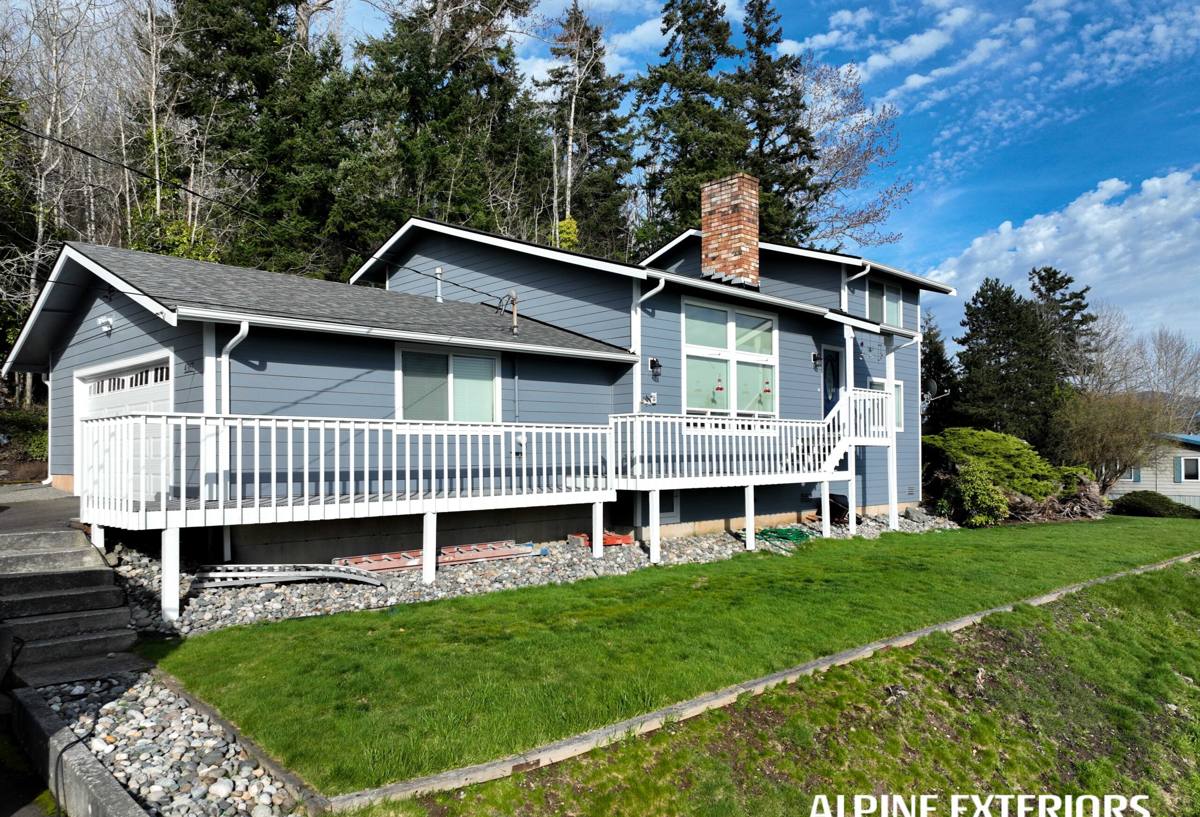
What Acme's Environment Actually Does to a Roof
Moisture That Doesn't Let Up
Whatcom County gets a long wet season, and homes tucked near tree cover or facing north hold onto that moisture longer than roofs in open, sun-exposed areas. Shingles that stay damp for days at a time are more prone to moss and algae taking hold in the granule layer, and once moss gets established it lifts shingle edges and traps water against the roof deck — which is where real damage starts.
Moss Season Is a Real Season Here
This isn't an occasional nuisance — it's a recurring part of roof maintenance in this area. Moss doesn't just look bad; it works its way under shingle tabs, holds water against the surface, and over a few seasons can lift shingles enough to create leak paths that weren't there when the roof was installed. Roofs with poor airflow, tight valleys, or shingles installed without enough nail penetration are the first to show it.
Wind-Driven Rain and Salt Air
Storms coming off the water don't just drop rain straight down — they drive it sideways into laps, flashing seams, and exposed fastener lines. Combined with the salt content in the air near the water, metal flashing and fasteners that aren't rated for a marine-influenced climate corrode faster than homeowners expect. We spec corrosion-resistant flashing and fasteners on every job here for that reason, not as an upsell.
What a Correctly Installed Asphalt Shingle Roof Requires Here
Asphalt shingle roofing is a mature, well-understood product. The failures we get called out to fix are almost never about the shingle itself — they're about installation shortcuts that don't show up as problems until a wet season or two later. In this climate, a handful of details matter more than they would in a drier region:
- Ice-and-water shield at eaves and valleys — not just where code requires it, but anywhere water tends to pool or refreeze.
- Synthetic underlayment rated for extended exposure, since felt underlayment breaks down faster under sustained moisture.
- Proper nail placement — high-nailing or underdriving fasteners is one of the most common causes of blow-offs we see in coastal wind events.
- Balanced attic and roof ventilation so moisture from inside the house doesn't condense against the underside of the deck.
- Corrosion-resistant flashing and drip edge at every roof-to-wall and valley transition.
- Starter strip and hip/ridge detailing done to manufacturer spec, since these are the first areas moss and wind find weak spots.
None of this is exotic. It's simply doing the install correctly for the environment the roof actually sits in, rather than the generic instructions on the shingle wrapper.
Our Process for Acme Roofing Projects
1. On-Site Roof Assessment
We start by getting on the roof, not just looking at it from the ground. We check the deck for soft spots, look at existing ventilation, note moss coverage and where it's concentrated, and inspect flashing at chimneys, walls, and valleys. This tells us whether you're looking at a straightforward re-roof or whether there's deck repair or ventilation work that needs to happen first.
2. Honest Scope and Estimate
You get a written scope that spells out tear-off, deck repair allowances if needed, underlayment type, shingle line, flashing, and ventilation work — no vague line items. If your existing roof has moss but is otherwise sound, we'll tell you that too; not every roof with moss needs full replacement.
3. Tear-Off and Deck Inspection
We remove the old roofing down to the deck so we can actually see what's underneath rather than roofing over a problem. Any soft or delaminated decking gets replaced before anything new goes down — this is the step that gets skipped on cut-rate jobs and causes the most expensive failures later.
4. Installation to Spec
Underlayment, ice-and-water shield, flashing, shingles, and ridge work go in following the manufacturer's installation requirements and the moisture-management details this climate demands. We don't treat those details as optional add-ons.
5. Final Walkthrough
We walk the finished roof with you, cover what maintenance to expect (including moss prevention), and make sure you understand what your warranty actually covers.
Shingle Options: What Actually Matters for This Area
Asphalt shingles come in a few tiers, and the differences matter more here than in a mild, dry climate because algae resistance and wind rating both get tested by real conditions.
| Shingle Type | Typical Lifespan | Best Suited For | Consideration in This Climate |
|---|---|---|---|
| 3-Tab | 15–20 years | Budget-conscious re-roofs | Lower wind rating; less algae-resistant granule coverage |
| Architectural / Dimensional | 25–30 years | Most Acme homes | Better wind uplift resistance, thicker mat holds up to moss pressure longer |
| Premium / Designer | 30+ years | Higher-exposure or higher-visibility roofs | Best algae-resistant granules; highest upfront cost |
For most homes in this area, we point customers toward architectural shingles with algae-resistant (AR) granules — the upgrade cost over standard shingles is modest, and in a climate where moss and algae are a recurring issue, it's one of the few upgrades that pays for itself in reduced maintenance.
Cost Factors Worth Knowing
- Roof pitch and access — steep or hard-to-access roofs take longer and cost more to work safely.
- Layers to remove — a roof with a second layer of old shingles adds tear-off time.
- Deck condition — plywood or board replacement is priced separately since it's not knowable until tear-off.
- Shingle tier — architectural vs. premium changes material cost noticeably.
- Ventilation upgrades — adding or correcting ridge/soffit venting is often worth bundling into a re-roof.
We give straightforward, itemized numbers during the estimate rather than a single lump figure, so you can see exactly what you're paying for.
Why a Local Crew Matters for This Job
Roofing crews that mostly work drier, more sheltered regions tend to under-spec moisture protection because it's not what they see every day. A crew that regularly works Acme and the surrounding Whatcom County communities already knows which roof orientations hold moss the longest, which valley details tend to leak in wind-driven rain, and which fastener and flashing grades actually hold up near the water. That familiarity shows up in fewer callbacks and roofs that age the way they're supposed to.
It also means we're not guessing at permitting, snow-load or wind-exposure requirements for the county, or what inspectors here are looking for — we've already been through that process on other roofs nearby.
Maintenance That Extends Roof Life Here
A correctly installed asphalt shingle roof in this climate still needs periodic attention. The homeowners who get the longest life out of their roofs generally do a few simple things:
- Have moss growth treated or removed before it spreads under shingle tabs — don't wait until it's visibly thick.
- Keep gutters and valleys clear of needles and debris so water has a clear path off the roof.
- Trim back overhanging branches that keep sections of the roof shaded and damp.
- Have the roof inspected after major windstorms, especially for lifted or missing shingles.
- Check attic ventilation periodically — poor airflow accelerates moss growth from the underside up as well as the surface down.
None of this replaces a correct install, but it's the difference between a roof that reaches its full rated lifespan and one that needs early intervention.
Signs You Shouldn't Ignore
A few warning signs come up often enough on Acme-area roofs that they're worth knowing before they turn into interior damage:
- Granules collecting in gutters or at downspout outlets — a sign shingles are wearing past their protective layer.
- Dark streaking or thick moss mats, especially on north-facing or shaded slopes.
- Shingle edges that look lifted or curled, particularly after a windy stretch.
- Daylight or staining visible in the attic near roof valleys or chimney flashing.
- Soft or spongy spots when walking the roof — often a sign of deck damage underneath.
Catching these early is almost always cheaper than waiting for an interior leak to show up.
If your roof is showing any of these signs, or it's simply due for a look, we're happy to come out and give you a straightforward, no-pressure estimate. There's a form below — tell us a bit about your roof and we'll take it from there.