 Sudden Valley Siding
 Windows in South Hill's Coastal-Forest Climate
South Hill sits close enough to Lake Whatcom and the surrounding tree cover that its homes deal with a specific mix of weather stress most manufacturers don't design for out of the box: salt-tinged air moving in off the Sound, long stretches of driving rain that hits window walls sideways instead of straight down, and a moss season that can run most of the year in shaded, north-facing exposures. None of these alone destroys a window fast. Together, over years, they find every weak point in a frame, a seal, or a flashing detail.
Salt air accelerates corrosion on hardware, screws, and any exposed metal components — locks, hinges, and cranks start sticking or pitting years before they would inland. Driving rain doesn't just test the glass; it tests whether water gets pushed past the frame into the wall cavity, which is where real damage happens. And moss and algae hold moisture against sills and lower sashes far longer than plain rain does, which is why we see rot start at the bottom corners of older wood-frame windows more than anywhere else on a South Hill home.
None of this means every window needs replacing on a schedule. It means the ones that do fail here tend to fail from the outside in — around the frame, not in the middle of the glass — which is exactly where a rushed or generic installation goes wrong.
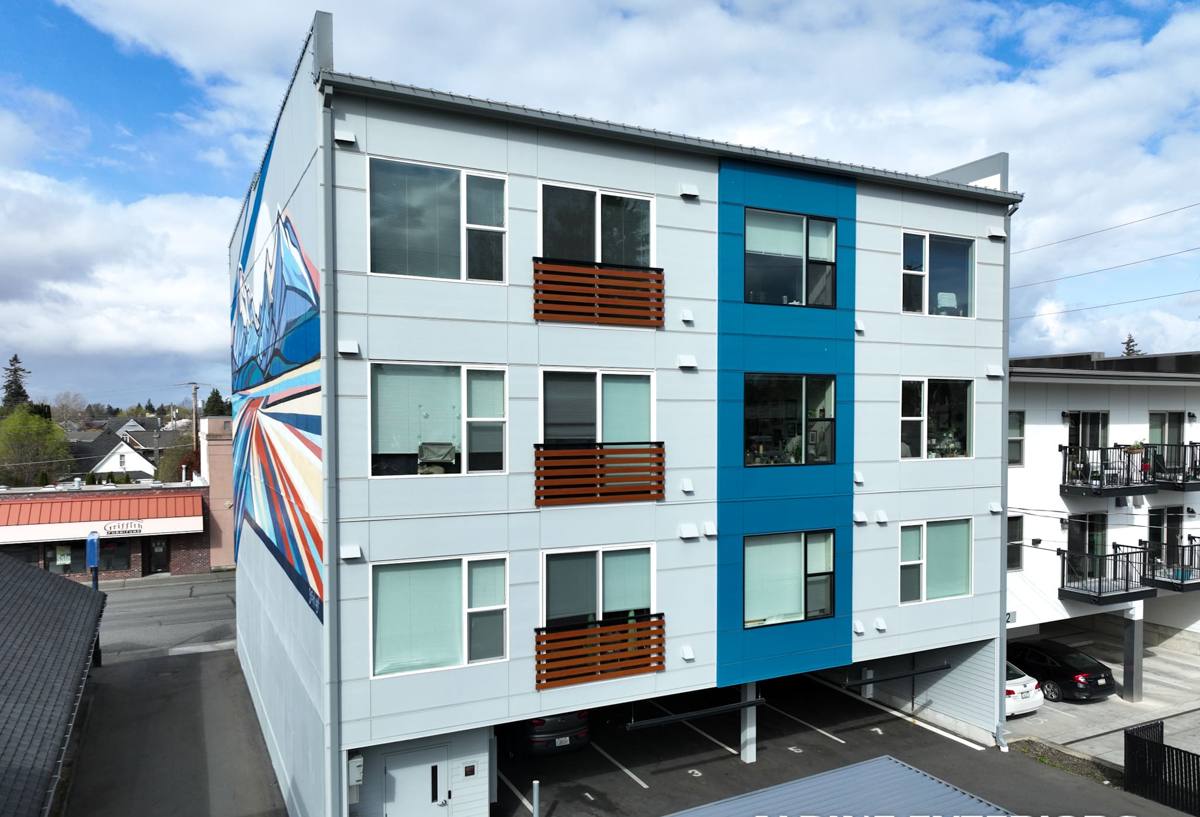
What a Correct Window Replacement Actually Involves
Window replacement gets sold as a simple swap: old window out, new window in. In a climate that pushes this much wind-driven moisture at a wall, the install details matter more than the window itself. A premium window installed without proper flashing will leak. A mid-range window installed correctly, with the water management done right, will outlast it.
Full-Frame vs. Insert Replacement
There are two basic approaches, and which one is right depends on the condition of the existing frame, not just the homeowner's preference:
- Insert (pocket) replacement — the new window is installed into the existing frame, which stays in place. Faster, less disruptive to siding and trim, and appropriate when the existing frame is still structurally sound and dry.
- Full-frame replacement — the old window and its frame are removed down to the rough opening, exposing the wall structure. This is the right call whenever there's any sign of moisture damage, rot, or a frame that's out of square, because it's the only approach that lets us actually inspect and fix what's behind the window.
We don't default to the cheaper, faster option just because it's less work. On a home with any history of water intrusion — common enough in older South Hill construction — pushing a new window into a compromised frame just seals the problem behind fresh trim.
Flashing and Water Management
This is the part that doesn't show up in a sales brochure but matters more than the window brand. Correct flashing means water that reaches the wall around a window is directed back out, never trapped behind the siding. That means self-adhered flashing tape at the sill and jambs, a sloped sill pan so standing water can't pool, and head flashing integrated with the weather-resistive barrier above the opening — lapped so each layer sheds water onto the one below it, not the other way around. Skip any one of these steps and a window can look perfect for two or three years before the damage inside the wall shows itself.
Frame Material Options for This Climate
There's no single "best" window material — there's a best fit for a given exposure, budget, and how much upkeep a homeowner wants to sign up for. Here's how the common options actually perform in South Hill's conditions:
| Material | Salt Air / Corrosion | Moisture Tolerance | Maintenance | Typical Fit |
|---|---|---|---|---|
| Vinyl | Good — won't corrode | Good, doesn't rot | Low | Best value for most South Hill homes |
| Fiberglass | Excellent | Excellent, very stable | Low | Higher upfront cost, longest service life |
| Wood-clad | Fair — cladding protects wood, but any breach invites rot | Weak point at seams if not maintained | Higher | Character homes wanting a wood interior look |
| Aluminum | Poor without upgraded coatings | Prone to condensation, thermal transfer | Moderate | Generally not our recommendation for this area |
We steer most South Hill homeowners toward vinyl or fiberglass, not because other materials are bad products, but because of how they behave specifically under sustained salt exposure and heavy seasonal rain. Wood-clad windows can be a good choice when the look matters to a homeowner, but they come with a maintenance commitment — inspecting and resealing cladding seams — that we're upfront about before anyone commits to that cost.
Our Process
1. On-Site Assessment
We look at each window individually, not just the house as a whole. That means checking sill condition, testing for soft spots or moisture with a probe where rot is suspected, and noting which elevations take the most weather — usually the sides facing open water or prevailing wind, and the shaded sides where moss and algae have had time to work.
2. Measurement and Product Selection
We measure for exact fit and walk through material, glass package, and performance options against the specific exposure of each opening — a shaded, moss-prone north wall doesn't need the same spec as a south-facing wall that just needs to handle direct wind-driven rain.
3. Removal and Opening Prep
Old windows come out carefully to avoid unnecessary damage to surrounding siding and trim. Any rot, soft framing, or failed old flashing found underneath gets addressed before anything new goes in — this is the step that gets skipped by crews trying to move fast, and it's the one that determines whether the job lasts.
4. Installation and Flashing
New sill pan, flashing tape, and the window itself, set plumb, level, and square, then integrated with the wall's water-resistive barrier per the sequence above. Shimmed and fastened to manufacturer spec, not eyeballed.
5. Sealing, Trim, and Cleanup
Final exterior sealant, interior trim work, and a full site cleanup. We test operation on every window before we call the job done — locks, cranks, and sashes should move smoothly, not just look installed.
Signs a South Hill Home Needs Window Replacement
Not every issue means a full replacement, but these are the signs worth having looked at before they become a bigger repair:
- Visible moss, algae, or dark staining building up on or below the sill
- Wood that feels soft, spongy, or discolored around the frame
- Windows that stick, won't stay open, or are hard to lock — often a sign of hardware corrosion or a frame that's shifted
- Condensation forming between panes (a sign the seal on double- or triple-pane glass has failed)
- Noticeable drafts or cold spots near the window on windy, rainy days
- Fogging, peeling paint, or bubbling drywall/trim on the interior side of an exterior wall
- Single-pane or original-to-the-house windows that have never been upgraded
Any one of these on its own might just need a minor repair. Several together, especially rot combined with hardware failure, usually means replacement is the more cost-effective path than repeated patch fixes.
Why a Crew That Already Works South Hill Matters
Window installation isn't a one-spec-fits-all trade. A crew that works this specific area regularly already knows which exposures in South Hill take the worst of the wind-driven rain, which sides of a house tend to hold moss longest, and what kind of framing and construction is typical for homes built in this part of Whatcom County. That's not a marketing point — it changes real decisions on site, like whether an opening needs extra flashing attention or whether a full-frame approach is worth the added time on a particular wall.
It also means less guesswork on lead times, permitting norms, and how weather windows affect scheduling — installing windows correctly requires a reasonably dry stretch to do the flashing and sealing right, and a local crew plans around that instead of rushing a job into a rain window and hoping the sealant holds.
What Affects the Cost
We're not going to quote a number here that doesn't mean anything without seeing the house, but the main variables that move a window replacement estimate up or down are consistent:
| Factor | Why It Matters |
|---|---|
| Insert vs. full-frame replacement | Full-frame takes more labor and often uncovers repair work that has to be priced in |
| Frame material | Vinyl, fiberglass, and wood-clad carry different material costs and lead times |
| Glass package | Double- vs. triple-pane, low-E coatings, and gas fill add cost but also performance |
| Number and size of openings | Larger picture windows and multi-window bays cost more than standard single units |
| Hidden damage found on removal | Rot or moisture damage discovered once the old frame comes out adds repair scope |
| Access and elevation | Upper-story or hard-to-reach windows take more time and equipment |
The only way to get a real number is a site visit — quoting window replacement over the phone without seeing the actual openings and their condition is how homeowners end up with change orders mid-project.
Get an Honest Look at Your Windows
If you're noticing drafts, stuck sashes, moss buildup, or windows that just look tired, it's worth getting them looked at before another wet season goes by. We'll walk your home, tell you honestly which windows need replacing now, which can wait, and what a correct job would involve — no pressure, no inflated scope. Use the form below to request a free estimate.