 Sudden Valley Siding
 Why Decks in Barkley Take a Different Kind of Beating
Barkley sits inside the broader Sudden Valley community in Whatcom County, and the decks out here don't fail the way decks fail in drier parts of the state. The combination of salt-laden air drifting in off the water, long stretches of driving rain, and a moss season that can run half the year means wood, fasteners, and even the ground contact under a deck are under near-constant moisture pressure. A deck that would last two decades in a dry inland climate can start showing real problems in half that time here if it wasn't built or maintained with this specific climate in mind.
Most of what we see isn't dramatic collapse — it's slow, quiet deterioration. Fasteners corrode from the inside of the wood outward. Ledger boards trap moisture against the house wall where nobody's looking. Moss holds water against decking boards long after a storm has passed, keeping the wood wet far longer than the weather forecast would suggest. By the time a homeowner notices soft boards or a spongy step, the damage underneath is usually further along than what's visible on top.
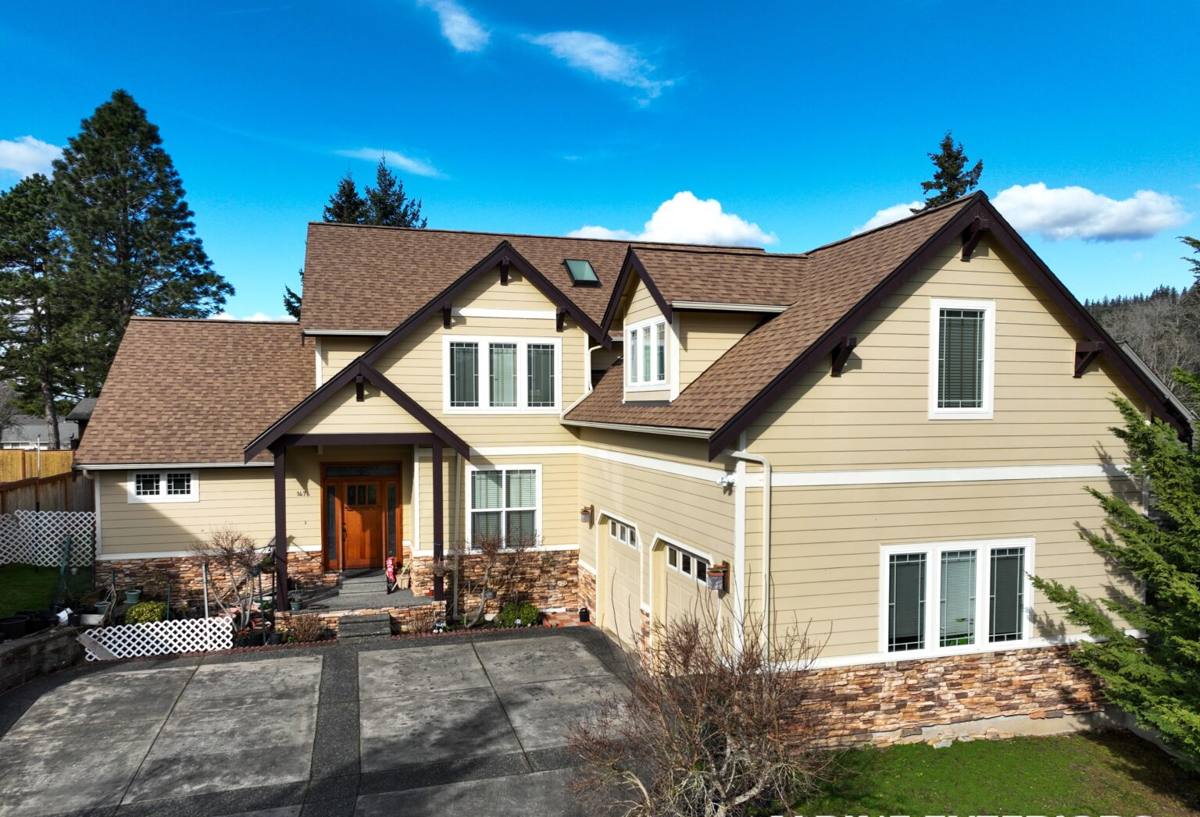
What Barkley's Climate Actually Does to a Deck
Salt Air and Metal Fatigue
Salt in the air accelerates corrosion on anything metal — nails, screws, joist hangers, post bases. Galvanized coatings that would hold up fine elsewhere can start pitting and rusting years earlier here. Once a fastener corrodes, it loses grip strength long before it visibly fails, which is why a deck can look sound on the surface while its connections are quietly weakening underneath.
Driving Rain and Water Intrusion
Rain that comes in sideways, rather than straight down, finds every gap in flashing, every uncaulked seam, and every spot where decking meets the house. Water that gets behind a ledger board or under a rim joist doesn't dry out quickly in our climate — it sits, and that's where rot starts, usually in places you can't see without pulling boards.
Moss and Prolonged Moisture
A long moss season means organic growth on horizontal surfaces for much of the year. Moss doesn't just look bad — it holds water against the wood grain, keeps decking boards from drying between rain events, and creates a slick, slippery surface that's a real fall hazard on stairs and landings.
Signs a Deck Needs Repair — And Signs It Needs More Than That
Not every issue means a full rebuild, but ignoring small ones is how a repair job turns into a replacement job. Here's how we sort it out on a typical inspection:
- Soft or spongy decking boards — usually a board-level repair if caught early
- Rust streaks around fasteners or hardware — often a sign it's time to re-fasten with corrosion-resistant hardware before it spreads
- Wobbly or loose railings — almost always a connection issue, fixable without touching the deck surface
- Gaps or separation where the deck meets the house — needs a ledger and flashing inspection, not just caulk
- Persistent moss or dark staining on the same boards year after year — a drainage or spacing problem, not just a cleaning problem
- Visible sagging across a span, or a "bounce" when you walk across it — a structural issue that needs a hands-on inspection before any cosmetic work
What a Correct Deck Repair Actually Involves
A repair that only replaces what's visible on top and skips the structure underneath isn't a repair — it's a delay. Here's what we check and address on every job, regardless of how small the visible problem looks:
Structural Framing First
Joists, beams, and posts get checked for rot, splitting, and connection integrity before any decking work starts. If the frame underneath is compromised, replacing the boards on top just hides the real problem for a season or two.
Ledger Board and Flashing
The ledger board — where the deck attaches to the house — is the single most common point of hidden water damage we find in this climate. Correct flashing directs water away from this connection instead of letting it pool against the house wall. If flashing is missing, undersized, or improperly lapped, we address it as part of the repair, not as an upsell.
Fasteners and Hardware
Given the salt air here, we don't re-fasten with whatever hardware happens to be on the shelf. Stainless or heavy-duty coated fasteners and connectors rated for coastal-influenced, high-moisture exposure cost more up front but hold their grip strength far longer than standard galvanized hardware in this environment.
Drainage and Airflow Underneath
A deck that can't shed water and breathe underneath will keep having the same moisture problems no matter how many boards you replace. Part of a correct repair is making sure water has somewhere to go and the underside of the deck isn't trapping humidity against the framing.
Our Process for a Barkley Deck Repair
- Inspection. We walk the full deck, check the frame from underneath where accessible, test railings and stairs, and look specifically at the ledger connection and any spots holding moss or standing water.
- Honest scope. We tell you plainly whether this is a targeted repair, a larger structural fix, or a case where repair costs are approaching replacement territory — and why.
- Repair plan and estimate. You get a clear breakdown of what's being replaced, what hardware we're using and why, and a realistic timeline.
- The work. Damaged framing and boards come out, structural issues get corrected, corrosion-resistant fasteners go in, and flashing is corrected or added where it's missing.
- Finish and walk-through. We check the repair for level, secure railings and stairs, clean up the site, and walk you through what we did and what to watch going forward.
Repair or Replace? Cost Factors to Weigh
Every deck is different, but these are the factors that tend to tip the decision one way or the other in our climate:
| Factor | Leans Toward Repair | Leans Toward Replacement |
|---|---|---|
| Framing condition | Isolated soft spots, otherwise solid | Widespread rot in joists or beams |
| Age of structure | Under 15 years, built to code | Older deck with outdated or undersized framing |
| Ledger connection | Flashing intact, minor gaps | Missing flashing, visible water damage at house wall |
| Extent of damage | A few boards or a single railing section | Damage spread across most of the deck surface |
| Fastener condition | Some corrosion, structure still sound | Widespread rust and loosened connections |
As a general rule, if the framing is sound and the damage is contained, repair is the more economical and perfectly durable option. If the frame itself has been compromised by long-term moisture exposure, patching the surface is a short-term fix that will need to be redone.
Decking Material Trade-Offs Worth Knowing
| Material | Upside in This Climate | Trade-Off |
|---|---|---|
| Pressure-treated wood | Lower cost, easy to source and repair in sections | Needs regular sealing and cleaning to resist moss and rot |
| Cedar | Naturally rot-resistant, ages well | Higher cost, still benefits from periodic sealing |
| Composite decking | Resists moss staining and doesn't rot | Higher upfront cost; some products can still get slick with algae if not cleaned |
Maintenance That Extends the Life of a Repair
A good repair job can be undone quickly by neglect in a climate like ours. These are the habits that actually make a difference:
- Sweep debris and standing water off the deck surface regularly, especially in fall and winter
- Treat moss at the first sign of it rather than waiting for a visible carpet of growth
- Keep gutters and downspouts clear so runoff isn't being dumped directly onto or near the deck
- Check railings and stair connections for movement once or twice a year
- Reseal wood decking on the manufacturer's recommended schedule, not just when it looks faded
- Look underneath the deck periodically for standing water or blocked drainage paths
Why a Crew That Already Works Barkley Makes a Difference
Deck problems in this part of Whatcom County follow patterns — where moisture collects, which connections fail first, how long moss takes to become a real problem on a given exposure. A crew that regularly works in Barkley and the wider Sudden Valley area has already seen those patterns repeat across different homes, which means less guesswork on your inspection and a repair plan built around what actually causes failures here, not a generic checklist. It also means someone who's easy to reach if a question comes up after the work is done, rather than a crew that did one job in the area and moved on.
Getting an Honest Estimate
If you're noticing soft spots, rust stains, a loose railing, or a deck that just doesn't feel as solid as it used to, it's worth getting eyes on it before another wet season adds to the damage. We're happy to come take a look, tell you honestly what we find, and lay out your options — no pressure, no obligation. Use the form below to request a free estimate for your Barkley deck repair.