 Sudden Valley Siding
 Why Siding Installation in Cordata Is Its Own Job, Not a Generic One
Every siding job in Whatcom County deals with the same regional weather, but the way that weather actually hits a house changes block to block. Cordata sits in a mix of newer subdivisions and older infill, with a lot of homes built during periods when builders were racing to keep costs down rather than detailing exteriors for the long haul. That matters because siding installation isn't really about the panels themselves — it's about how water, wind-driven rain, and humidity move around the building envelope underneath them. Get that wrong and it doesn't matter what material is on the outside; get it right and even a modest product performs for decades.
We install exclusively in this region, which means we've seen how Cordata homes actually fail — not in a brochure sense, but in the specific ways moisture finds its way behind siding here: at window returns, at deck ledger connections, at the bottom courses closest to grade, and at anywhere a previous installer caulked over a problem instead of flashing it.
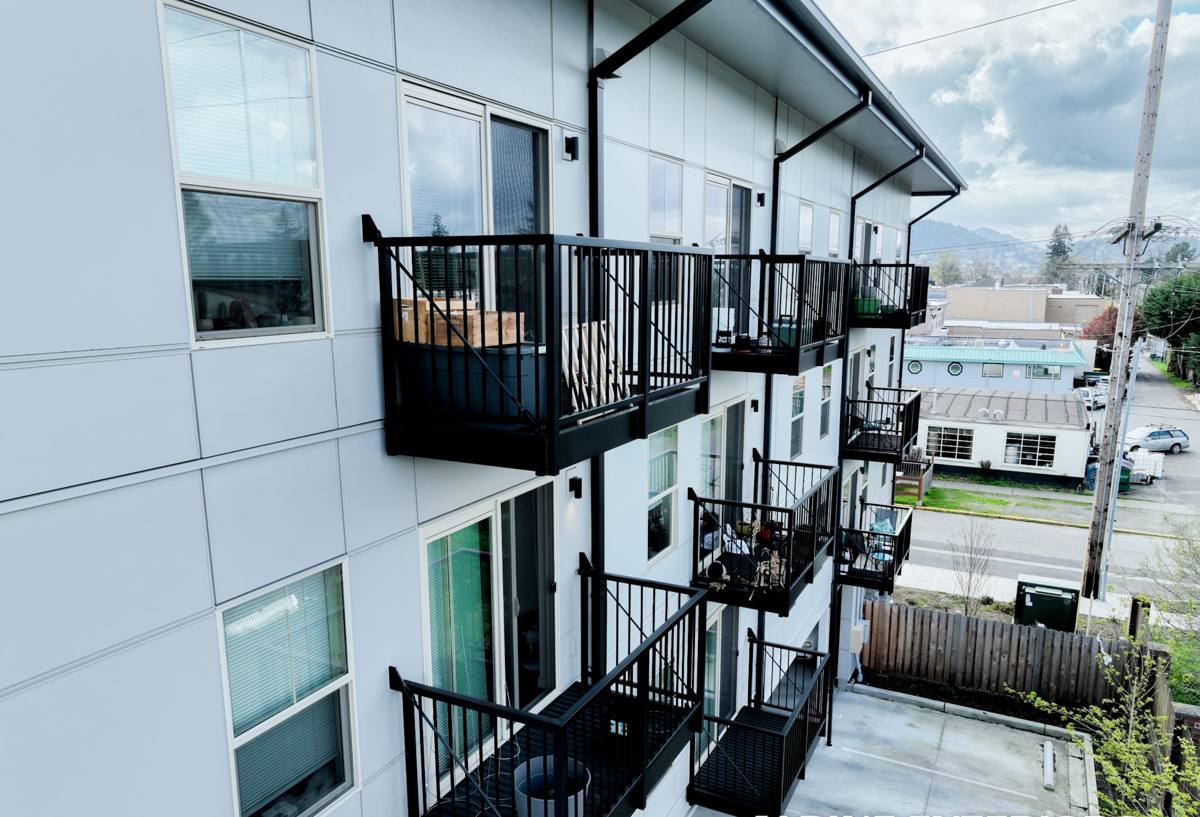
What This Climate Actually Does to Siding
Whatcom County's exterior surfaces deal with three compounding stresses, and Cordata gets all three:
Salt Air
Proximity to Puget Sound means airborne salt is a real factor on fasteners, trim flashing, and any exposed metal. Salt accelerates corrosion on anything that isn't rated for coastal exposure, which is why fastener spec and flashing material aren't places to cut corners here.
Driving Rain
This isn't gentle drizzle — Whatcom County gets wind-driven rain events where water is pushed sideways into wall assemblies, not just down them. Siding systems have to be installed with that in mind: proper lap, correct flashing sequencing, and a water-resistive barrier that's actually integrated with the trim and openings, not just stapled up as an afterthought.
A Long Moss Season
Cordata's tree cover and the region's extended damp season mean moss and algae get a long runway to establish themselves on north-facing walls, under eaves, and anywhere air doesn't move well. Moss holds moisture against the surface far longer than open exposure would, which is exactly the condition that breaks down poorly protected substrates and finishes over time.
None of these three problems are unique to Cordata specifically — they're regional. But Cordata's mix of tree-shaded lots and closer-set homes means airflow and sun exposure vary a lot from one side of a house to another, which is why we look at each elevation separately rather than treating a house as one uniform surface.
What a Correct Siding Installation Actually Involves
Siding installation done right is a system, not a stack of boards. The visible panel is the last thing that goes on, not the first thing that matters. A correct install includes:
- A continuous, properly lapped water-resistive barrier (WRB) installed shingle-style so water sheds outward, never inward
- Flashing at every horizontal transition — window and door heads, deck ledgers, roof-to-wall intersections, and trim boards
- Correct fastener type, length, and placement for the specific product and substrate, driven to manufacturer spec rather than "snug"
- Proper starter strip and first-course height off grade and hard surfaces, so splashback and standing water can't wick into the bottom edge
- Rain screen or drainage gap where the wall assembly calls for it, so incidental moisture behind the siding has somewhere to go
- Correctly caulked and sealed joints only where the manufacturer specifies sealant — not as a substitute for flashing
Skipping or rushing any one of these doesn't usually show up as a problem in year one. It shows up in year five or eight, as soft trim, staining, or a wall cavity that's been wet longer than anyone realized. That lag is exactly why so many Cordata homeowners are surprised by what's underneath old siding when it finally comes off.
Why We Install James Hardie and Nothing Else
We standardized on James Hardie fiber cement siding for every job we take on, including here in Cordata. It isn't the only siding product on the market, but given what this climate does to a wall assembly over 20-plus years, it's the one we're willing to put our name behind.
Fiber cement doesn't absorb and swell with moisture the way engineered wood products can, and it's non-combustible, which matters more every year given regional wildfire smoke and ember exposure concerns. James Hardie's HZ5 product line is engineered specifically for the freeze-thaw and moisture cycling common to the Pacific Northwest, and the factory-applied ColorPlus finish is baked on under controlled conditions rather than field-painted, which means it holds color and resists the moss and mildew staining this climate is so good at producing. It also carries a strong transferable warranty when installed to Hardie's published specifications — which is precisely why installation quality is the whole ballgame. A great product installed poorly still fails poorly.
We don't install vinyl, LP SmartSide, primed spruce, cedar, or other fiber cement alternatives like Cemplank or Allura. That's a deliberate standard, not a lack of options — after years of siding work in this exact climate, Hardie is the system we trust to hold up against salt air, driving rain, and a moss season that doesn't let up for months at a time.
Our Installation Process
- Site walk and assessment — we look at each elevation, grading, roofline transitions, and any existing moisture damage before quoting anything
- Tear-off and substrate check — old siding comes off and sheathing gets inspected; any soft or water-damaged sections get addressed before anything new goes up, not covered over
- WRB and flashing installation — the water management layer goes in first, correctly lapped and integrated at every penetration and opening
- Trim and starter components — corner boards, window and door trim, and starter strips set the reference lines for the whole job
- Hardie panel or plank installation — installed to manufacturer fastening and clearance specs, with attention to the specific exposure conditions of each wall
- Caulking, touch-up, and final inspection — sealant only where specified, ColorPlus touch-up as needed, and a walk-through before we call it done
We don't shortcut step two. Covering damaged sheathing with new siding is one of the most common mistakes in this trade, and it's the single fastest way to turn a siding job into a rot problem a few years later.
Signs Cordata Homeowners Should Watch For
If your current siding is showing any of the following, it's worth getting a professional look before it turns into a bigger repair:
- Persistent moss or dark streaking that comes back within a season of cleaning
- Soft or spongy trim, especially around windows or near the bottom courses
- Visible gaps or separation at butt joints and corners
- Paint or finish that's chalking, peeling, or fading unevenly by elevation
- Interior signs like musty smells or staining on walls that share an exterior with damp siding
Cost Factors for Siding Installation in Cordata
Every quote depends on the specifics of the house, but the factors below are what actually move the number, and it's worth understanding them before you compare bids:
| Factor | Why It Matters |
|---|---|
| House size and wall complexity | More corners, dormers, and elevation changes mean more cutting, trim, and labor time |
| Substrate condition | Rot or water damage found during tear-off requires repair before new siding goes on |
| Siding profile chosen | Lap plank, shingle-style panels, and board-and-batten all carry different material and labor costs |
| Trim and accessory scope | Corner boards, window trim, and fascia work add to both material and labor |
| Access and site conditions | Tight lots, mature landscaping, and multi-story walls affect staging and time on site |
| Existing moisture management | Homes needing new WRB and flashing systems (versus a reusable, sound layer) take more labor |
Beware of any quote that's dramatically lower than the others without an explanation — it usually means one of these factors, most often substrate repair or proper flashing, has been left out of the scope.
Maintenance After Installation
Correctly installed Hardie siding is low-maintenance, but "low" isn't "none," especially in a climate that grows moss aggressively. A simple annual routine goes a long way:
- Rinse siding gently once a year, focusing on shaded, north-facing walls where moss establishes first
- Keep gutters clear so overflow isn't running down the wall face
- Trim back vegetation and tree canopy that's keeping walls damp and shaded
- Recaulk any sealant joints that show cracking, and have flashing checked if you notice staining
Why Local Installation Experience Matters in Cordata
Siding installation methods that work in a dry climate don't automatically work here, and installers who don't work Whatcom County regularly can miss the details that matter most in this weather — flashing sequencing for wind-driven rain, fastener specs that account for salt air, and drainage details that keep a long moss season from turning into a moisture problem behind the wall. A crew that installs in this region day in and day out isn't guessing at how a Cordata house behaves through a wet Pacific Northwest winter — they've already seen it.
If you're weighing a siding replacement or new installation in Cordata, we're happy to walk your property, look at what's actually going on with your walls, and give you a straightforward, no-pressure estimate — use the form below to get started.