 Sudden Valley Siding
 Why Decks in Cordata and Sudden Valley Wear Out Faster
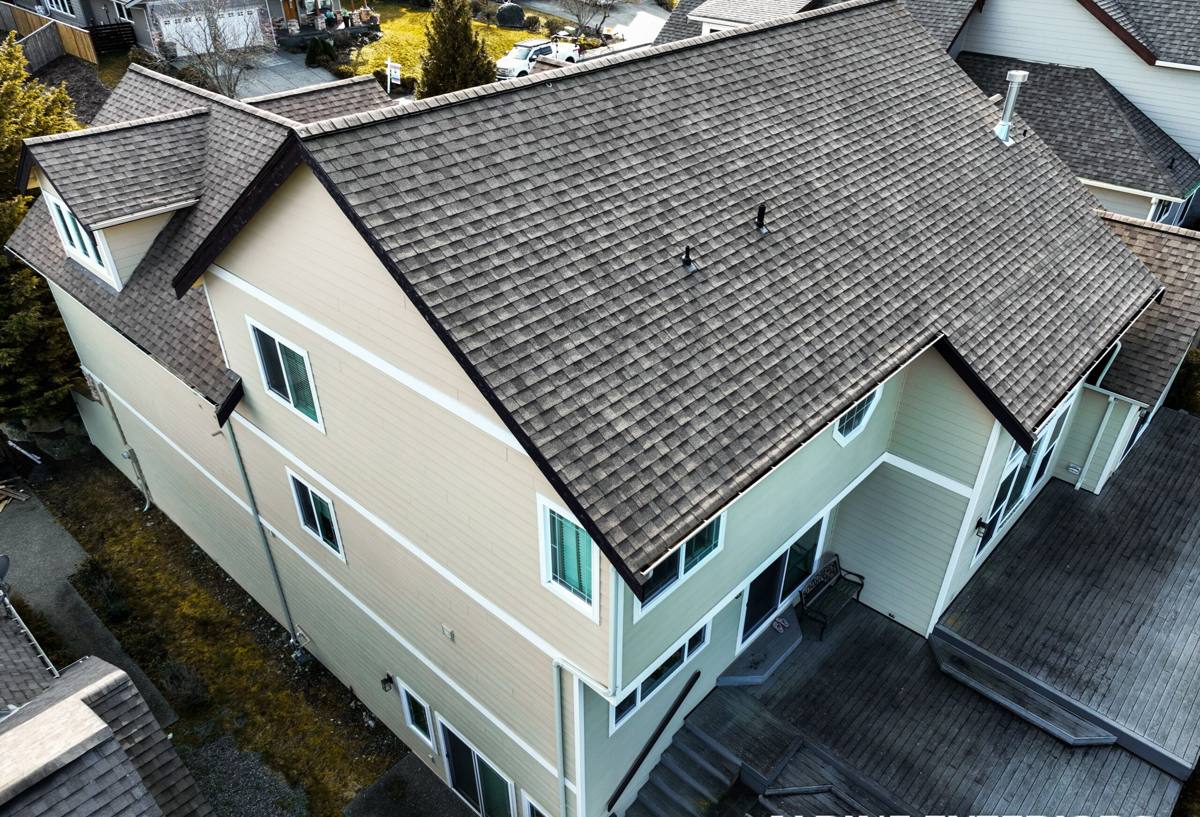
A deck in this part of Whatcom County works harder than a deck almost anywhere else in the country. Between the driving rain off the Sound, the salt-laden air that moves through the county, and a moss season that can stretch from October well into spring, an untreated or aging deck takes a steady beating year-round. We see the same failure patterns over and over on service calls in Cordata and Sudden Valley, and almost all of them trace back to moisture that had nowhere to go and metal that corroded faster than it should have.
Moss is the most visible symptom, but it's rarely the real problem. Moss holds water against the wood surface long after a normal dry spell would have let a board breathe. Underneath that green film, the wood stays damp for days at a time, which is exactly the condition rot fungi need to take hold. Meanwhile, driving rain — the kind that comes in sideways instead of straight down — pushes water into places a deck was never designed to shed water from: ledger board seams, post bases, stair stringer notches, and railing post connections. Add salt air into the mix and the fasteners, joist hangers, and any exposed hardware start corroding from the inside of the wood outward, often long before there's any visible surface rust.
The Ledger Board Is Usually Ground Zero
The ledger board — the framing member that bolts the deck to the house — is the single most common point of failure we find. If it was flashed incorrectly, or not flashed at all, water works its way behind it every time it rains and never fully dries out between storms. By the time a homeowner notices soft decking near the house, the ledger and the rim joist behind it have often been wet for years.
Warning Signs It's Time for a Repair, Not Just a Cleaning
Pressure washing and a fresh coat of sealer can make a tired deck look better for a season, but cosmetic work doesn't fix structural problems, and in this climate those problems don't stay small. Here's what tells us a deck needs real repair work rather than routine maintenance:
- Boards that feel soft, spongy, or flex noticeably when you walk on them
- Moss or algae that comes back within a few weeks of cleaning, even in the same spot
- Rust streaks bleeding out from screw heads, nail heads, or joist hanger edges
- Gaps that have widened between boards, or boards that have cupped or crowned
- A railing or post that wobbles or moves when you lean on it
- Visible daylight or a gap where the ledger board meets the house siding
- Stair stringers that flex or feel different from step to step
- Water pooling on the deck surface instead of draining off the edge
Any one of these by itself might be minor. Two or three together usually mean the framing underneath has been compromised, not just the surface boards.
What a Correct Deck Repair Actually Involves
The most common mistake we see from past repair work — whether done by a previous owner, a handyman, or a contractor unfamiliar with this climate — is treating the symptom instead of the cause. Swapping out a rotten board without checking the joist underneath it just delays the same failure by a year or two.
A repair done right starts from the bottom up:
Below the Surface
We get underneath the deck whenever access allows, because that's where the real story is. We check the ledger board and its flashing, the condition of the joists and rim joist, the posts and their footings, and every joist hanger and structural connector for rust or wood shrinkage that's loosened the fasteners. Structural repairs — sistering a rotted joist, replacing a post, re-flashing a ledger — always come before cosmetic decking work, because there's no point installing new boards on framing that's still failing.
At the Surface
Once the framing is sound, we address the decking itself: replacing individual boards where needed, resetting fasteners that have backed out or corroded, and checking that drainage gaps between boards haven't closed up from swelling or been filled in with old sealer and debris.
Railings and Stairs
Guardrails and stair railings take abuse from both weather and everyday use, and they're a safety item, not a cosmetic one. We check post connections for rot at the base, confirm baluster spacing still meets code, and make sure any repaired or replaced railing section is actually as strong as the original was supposed to be — not just stiff enough to pass a quick shake test.
Repair or Replace? How We Help You Decide
Not every deck with problems needs to come down. The honest answer depends on how much of the framing is still sound versus how much has been compromised, and how old the structure is relative to typical deck lifespans in this climate.
| Factor | Repair Usually Makes Sense | Full Replacement Usually Makes Sense |
|---|---|---|
| Framing condition | Ledger, joists, and posts are structurally sound with isolated soft spots | Rot has spread through multiple joists, the ledger, or several posts |
| Age of the deck | Under 15-20 years, built with adequate flashing and hardware | Original construction predates modern flashing and connector standards |
| Extent of surface damage | A handful of boards, one railing section, or isolated fastener corrosion | Most of the decking shows cupping, splitting, or persistent moss regrowth |
| Drainage and grading | Water sheds properly once boards and gaps are restored | Chronic pooling points to a design issue that repair alone won't fix |
| Budget and timeline | Targeted repair extends the deck's life for a fraction of replacement cost | Repeated repairs are starting to add up to a meaningful share of replacement cost |
We'll always tell you plainly which category your deck falls into. If a repair will genuinely hold up, that's what we recommend — a deck that doesn't need replacing yet shouldn't be sold as one.
Materials and Fasteners We Choose, and Why
Given how much this climate accelerates corrosion, fastener and hardware choice matters as much as the lumber itself. We use stainless steel or hot-dip galvanized fasteners and connectors rated for exterior and ground-contact use, not the cheaper coated screws that look fine going in but start rusting within a couple of wet seasons. The same goes for joist hangers and structural connectors — the rating on the box matters, and using an interior-grade or under-rated connector on an exposed deck is one of the most common shortcuts we correct.
Decking Material Trade-Offs
For the decking surface itself, both treated wood and composite boards have a place, and the right choice depends on how much upkeep you want to take on:
| Decking Type | Maintenance Burden | Moisture Behavior |
|---|---|---|
| Pressure-treated wood | Needs periodic cleaning and re-sealing to resist moss and rot | Absorbs and releases moisture; performance depends heavily on sealing schedule |
| Cedar | Naturally rot-resistant but still benefits from regular cleaning and finish | Handles wet-dry cycles well when finished, less forgiving if neglected |
| Composite | Low maintenance, occasional washing to prevent moss film buildup | Doesn't absorb water into the board itself, but framing below still needs the same protection |
Whichever surface material you choose, it's worth being clear-eyed that composite decking doesn't eliminate the need for good flashing and corrosion-resistant hardware underneath — it just changes what the top surface needs from you.
Flashing and Ledger Protection
Any time we open up a ledger board connection, we install proper flashing and self-adhering waterproof membrane between the ledger and the house sheathing. This is the detail that determines whether the repair lasts five years or twenty, and it's the one step that's easiest to skip and hardest to see once the deck boards go back down.
Our Process, From Estimate to Finished Deck
- Inspection. We look at the deck from above and below wherever access allows, checking framing, hardware, ledger flashing, and the decking surface separately.
- Written scope. You get a clear explanation of what's failing, why, and what it will take to fix it correctly — including whether we think repair or replacement is the honest call.
- Permit check. Structural repair work — replacing a ledger, posts, or a significant section of framing — can require a permit depending on scope and jurisdiction. We tell you upfront if your project falls into that category rather than letting it become a surprise later.
- The repair. Framing and structural work first, decking and railings second, in that order every time.
- Walk-through and cleanup. We show you what was done, why, and what to expect from it going forward, and we clean up the site before we leave.
Keeping a Repaired Deck Solid Through Whatcom County Winters
A good repair buys you years, but this climate doesn't let any deck coast on maintenance-free. A little upkeep goes a long way toward not repeating the same repair in five years:
- Clean moss and algae off the surface at least once before winter and once in spring, before it has a chance to establish and hold moisture
- Keep gutters and downspouts near the deck clear so runoff isn't dumping extra water onto the structure
- Reseal or restain wood decking on the schedule the product calls for — skipping a cycle is when moisture starts winning
- Walk the deck once a year and check railings, stair connections, and any visible fasteners for movement or rust
- Keep planters, rugs, and furniture from sitting in one spot for months at a time, since that traps moisture underneath them year-round
None of this is complicated, but it's the difference between a repair that lasts and one that just delays the next call.
Why It Matters to Hire a Crew That Already Works in Cordata and Sudden Valley
Deck problems in this area follow patterns, and a crew that's already worked on homes in Cordata and Sudden Valley has seen those patterns often enough to know where to look first — which ledger connections tend to have been under-flashed, which lots hold moisture longer because of grading or tree cover, and which fastener choices from years past are the ones failing now. That local familiarity shortens the inspection, sharpens the diagnosis, and means less guesswork in the estimate you're given.
It also means someone who understands how Whatcom County's rain patterns and moss season actually behave over a full year, not just what a deck looks like on the one dry day an inspection happens to fall on. A deck that looks fine in August can be hiding a ledger that's been wet all winter, and that's the kind of thing local experience catches.
If you're noticing soft spots, moss that won't stay gone, or a railing that doesn't feel as solid as it used to, we're happy to take a look. Estimates are free, there's no pressure, and you'll get a straight answer about whether your deck needs a repair or just a little less neglect. Fill out the form below to get started.