 Sudden Valley Siding
 Why Roofs in Geneva Take a Different Kind of Beating
Geneva sits close enough to open water that homes here deal with a combination most inland roofs never see: driving rain that comes in sideways off the lake and the Sound, salt-tinged air that accelerates corrosion on metal fasteners and flashing, and heavy tree cover that keeps roof surfaces shaded and damp for long stretches of the year. Add Whatcom County's mild, wet winters and you get a moss season that can run eight months or longer in the shadier spots.
None of this means a roof here has to fail early. It means the roof has to be built for these conditions from the deck up, not just shingled over the way a roof might be finished in a drier, sunnier climate. A roof replacement done right in Geneva accounts for moisture management first and appearance second — get the moisture right and the appearance takes care of itself for the life of the roof.
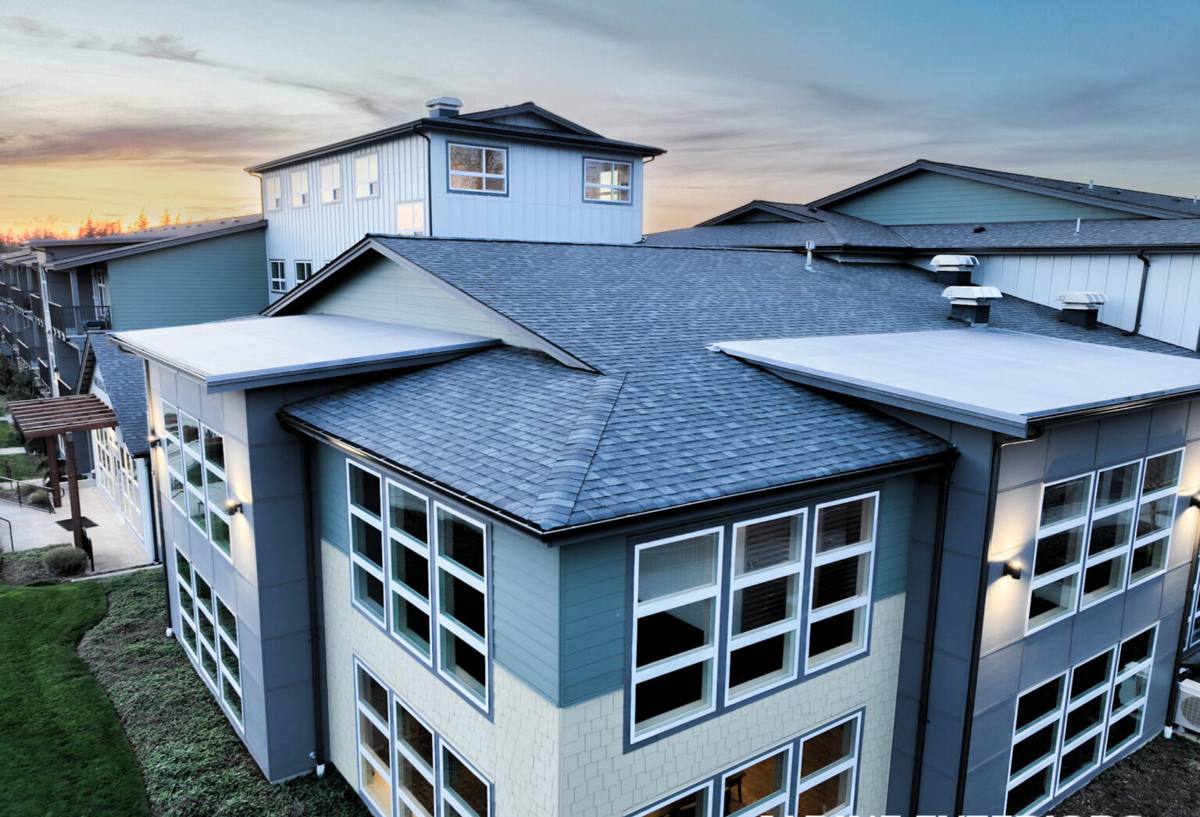
Signs Your Geneva Home Is Due for a Roof Replacement
What to look for from the ground
Curling or cupping shingles, bald patches where granules have washed off, and thick moss mats along the north-facing slopes are the most common signs we see on Geneva homes. A ridge line that's started to sag, even slightly, usually means the decking underneath has taken on moisture damage and repair is no longer the honest answer.
What to look for from inside
Brown staining on attic sheathing, daylight visible through the roof boards, or a musty smell in the attic during wet months are all signs that water is getting past the roofing system, even if you haven't noticed a drip inside the living space yet. By the time a ceiling stain shows up, the leak has usually been active for a while.
- Shingles curling, cracking, or missing granules in patches
- Moss or algae mats thick enough to hold water against the roof surface
- Sagging or wavy roof lines when viewed from the street
- Rusted or lifted flashing around chimneys, vents, and skylights
- Attic staining, daylight through the decking, or a persistent damp smell
- Granules collecting in gutters or at the base of downspouts
- Roof age approaching or past 20-25 years for asphalt shingle systems
What a Correct Roof Replacement Actually Involves
A roof replacement is more than swapping old shingles for new ones. The parts homeowners can't see are what determine whether the roof performs for the next two to three decades or starts showing problems again in five years.
Deck inspection and repair
Once the old roofing is stripped, the decking underneath gets inspected board by board. Any wood that's soft, delaminated, or stained from long-term moisture exposure gets replaced before anything new goes down. Skipping this step is one of the most common shortcuts in the trade, and it's the one most likely to cause a callback within a few years.
Underlayment and water barriers
In a climate with this much driving rain, underlayment choice matters. Self-adhered ice-and-water barrier belongs at eaves, valleys, and around penetrations where wind-driven rain is most likely to force its way under the shingle line, backed by a synthetic underlayment across the rest of the field.
Flashing details
Chimneys, skylights, sidewalls, and valleys are where roofs actually leak — not the open field of shingles. Flashing needs to be replaced, not reused, and installed so water sheds over each layer in the correct order (a principle called shingling laps). Salt-air exposure near the water makes corrosion-resistant flashing material worth the upgrade over bare galvanized steel.
Ventilation
Balanced intake and exhaust ventilation keeps the attic close to outdoor temperature and humidity, which does two things: it prevents condensation from forming on the underside of the decking in winter, and it keeps ice and moisture from building up under the shingles. A roof can be installed perfectly and still fail early if the attic underneath is trapping moisture.
Choosing Roofing Materials for This Climate
Material choice affects how much maintenance a roof needs and how it handles the wet, shaded conditions common around Geneva and the rest of the Lake Whatcom basin.
| Material | Moisture & Moss Behavior | Typical Lifespan | Maintenance Notes |
|---|---|---|---|
| Architectural asphalt shingle | Algae-resistant granules slow staining; needs debris kept off the surface | 25-30 years | Lowest upfront cost; periodic moss removal recommended |
| Standing seam metal | Sheds water and moss buildup very well due to smooth, steep-shed surface | 40-50+ years | Higher upfront cost; fastener and coating quality matter near salt air |
| Synthetic/composite shingle | Resists moisture absorption; performs similarly to asphalt for moss | 30-50 years | Mid-to-upper cost; check manufacturer warranty terms carefully |
| Cedar shake | Attractive but absorbs moisture and is more prone to moss/rot in shaded, wet spots | 20-30 years with upkeep | Requires the most regular maintenance in this climate |
We'll walk through which of these fits your home's exposure, tree cover, and budget honestly during the estimate — including why we may steer you away from a lower-maintenance-sounding option if your roof's shade pattern makes it a poor long-term fit.
Our Roof Replacement Process, Start to Finish
- Inspection and estimate. We get on the roof (not just a ground-level look) and check decking, flashing, and ventilation, then give you a written scope and price.
- Material selection. We go over options against your budget, roof exposure, and how long you plan to stay in the home.
- Tear-off. Old roofing comes off down to the deck so nothing is layered over hidden damage.
- Deck repair. Any compromised sheathing is replaced before underlayment goes down.
- Underlayment and flashing. Ice-and-water barrier, synthetic underlayment, and new flashing are installed at every vulnerable point.
- Installation. Roofing material goes on to manufacturer specification, which is what keeps the material warranty valid.
- Ventilation check. Intake and exhaust are verified to be balanced for the attic's size.
- Cleanup and haul-away. Old material, nails, and debris are cleared from the property, including a magnetic sweep of the yard.
- Final walkthrough. We review the finished roof with you and go over warranty paperwork before we consider the job done.
Moss, Algae, and the Long Whatcom County Wet Season
Moss doesn't just look bad — it holds moisture directly against the roofing material for months at a time, which shortens the life of whatever is underneath it. In shaded, north-facing sections around Geneva, moss can establish itself within a couple of years on a roof that isn't set up to resist it.
A replacement is the right time to build in prevention: trimming back overhanging branches to reduce shade and debris, installing zinc or copper strips near the ridge (rain carries trace metal ions down the roof slope and inhibits regrowth), and choosing algae-resistant shingles where the budget allows. None of these eliminate moss entirely in a climate this wet, but together they stretch out the time between cleanings significantly.
Why Hiring a Crew That Already Works Geneva Matters
Roofing crews that mostly work drier inland areas sometimes under-spec ventilation and underlayment for a climate like this because it's simply not what they're used to building for. A crew that regularly works Geneva and the Lake Whatcom area already knows which slopes and tree lines tend to hold moss, which older homes in the area were built with ventilation that's since become inadequate, and how driving rain off the lake behaves against different roof orientations.
That local familiarity also matters for logistics — narrow or shared driveways, tree-heavy lots that limit staging and dump trailer placement, and the access considerations that come with lakeside properties. A crew that's worked the area before plans for these instead of running into them mid-project.
What Roof Replacement Typically Costs — and What Changes the Number
Every roof is priced from an actual inspection, but the factors below are what move the number up or down on most Geneva homes.
| Factor | How It Affects Cost |
|---|---|
| Roof size and pitch | Larger and steeper roofs take more material and labor time |
| Number of existing layers | Tearing off multiple old layers adds labor and disposal cost |
| Decking condition | Rot or delamination found during tear-off adds replacement material and time |
| Material choice | Asphalt is the most budget-friendly; metal and premium synthetics cost more upfront |
| Roof complexity | Valleys, chimneys, skylights, and dormers all add flashing and labor time |
| Site access | Tree cover, steep lots, or limited driveway access can affect staging and labor |
Broadly, a straightforward asphalt shingle replacement on an average-size Geneva home tends to fall in the low-to-mid five figures, with metal or more complex rooflines running higher. We'd rather give you a real number off an actual inspection than a range that doesn't reflect your roof.
Before You Call for an Estimate
- Note roughly how old the current roof is, if you know
- Write down any leaks, stains, or attic issues you've noticed and when
- Have attic access clear if possible so we can check ventilation and decking from inside
- Check for any HOA guidelines on roofing material or color if your property is covered by one
- Think through your timeline — some materials and crew schedules book out further than others
If your roof is showing any of the signs above, or you just want an honest read on how much life it has left, we're happy to take a look. The estimate is free, there's no pressure to book on the spot, and you'll get a straight answer about what your roof actually needs — use the form below to get started.