 Sudden Valley Siding
 Why Siding Installation in Sehome Is Its Own Job, Not a Generic One
Every siding job starts with the same basic idea: cover and protect the structure. But the way you get there changes depending on where the house sits, and Sehome-area homes near Sudden Valley face a specific mix of conditions that a lot of general contractors underestimate. You're dealing with moisture off Lake Whatcom and the surrounding water, salt-tinged air moving through the region, driving rain that comes in sideways during fall and winter storms, and a moss season that can stretch for months on shaded north- and west-facing walls. None of that is exotic or unusual for Whatcom County — but it means the installation details matter more here than they would in a dry inland climate.
A siding job that looks fine on day one can fail in year three if the water management underneath it was an afterthought. This page is about what a correct siding installation looks like for homes in this area, what we actually do differently because of the climate, and why hiring a crew that already works this part of Whatcom County is worth the conversation before you sign with anyone.
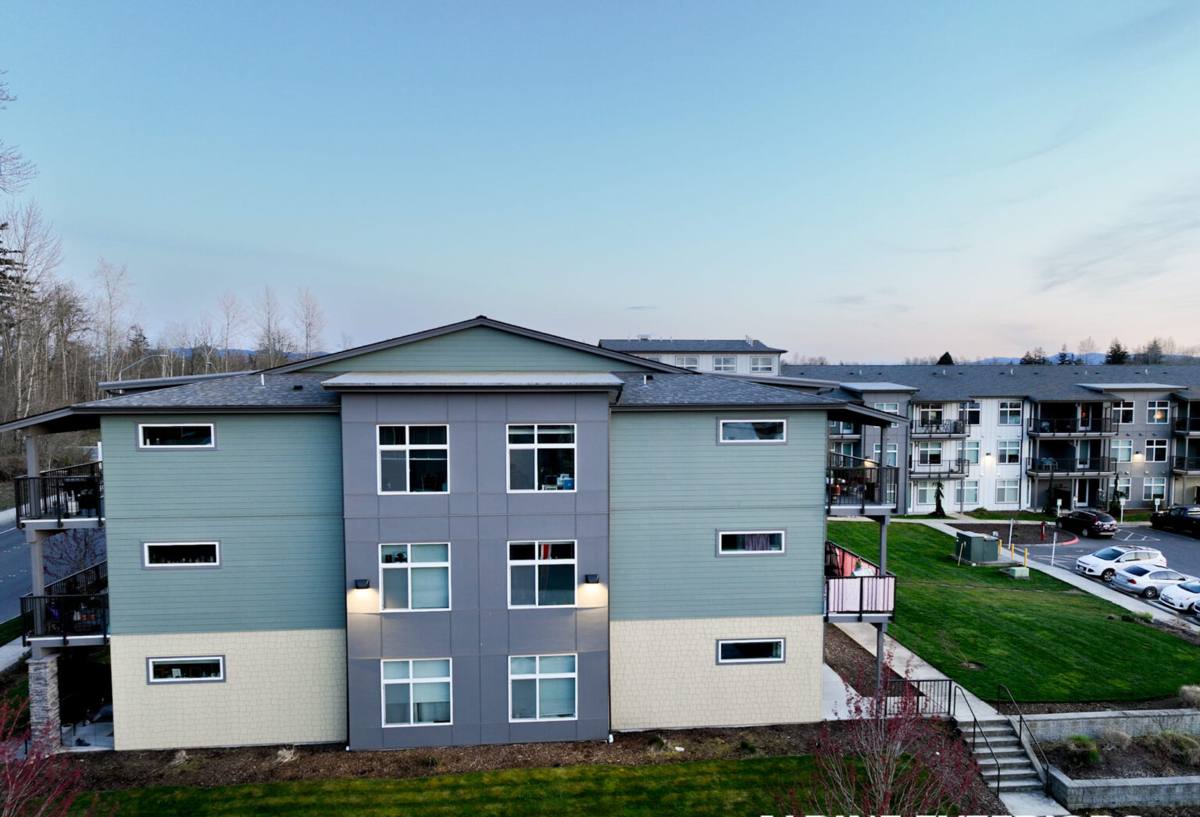
What Sehome's Climate Actually Does to Siding
Moisture load
Homes near Sudden Valley and the broader Lake Whatcom corridor get a steady moisture load for much of the year — not just rain volume, but sustained dampness that keeps wall assemblies from fully drying out between weather events. Siding materials and installation methods that depend on quick drying cycles don't get that luxury here. Whatever goes on the wall needs to shed water aggressively and tolerate the in-between periods without swelling, softening, or wicking moisture into the substrate.
Driving rain and wind-driven exposure
Storms in this region frequently push rain sideways rather than straight down, which puts real pressure on laps, seams, and penetrations — the places where water is most likely to find a way behind the cladding. A flat, calm-weather installation approach doesn't hold up under that kind of exposure. Flashing details and lap spacing have to be built for wind-driven rain, not just gravity.
Moss and organic growth
Shaded, damp exterior walls in Whatcom County grow moss and algae readily, especially on north-facing elevations and anywhere tree cover blocks sun and airflow. Moss holds moisture against the surface it's growing on, and on the wrong material that's a slow path to rot or coating failure. The siding you choose and how it's finished both affect how much of a foothold moss gets.
Salt-influenced air
While Sehome isn't oceanfront, the broader western Washington air carries salt influence that accelerates corrosion on fasteners, flashing, and any exposed metal trim. Over years, that adds up on lower-grade hardware. It's a detail that's easy to skip and expensive to have skipped.
Why We Install Only James Hardie Fiber Cement
We install James Hardie fiber cement siding exclusively. We don't install vinyl, LP SmartSide, Cemplank, Allura, primed spruce, or cedar — not because those products don't have a place in the market, but because after years of installing and evaluating exterior products in this climate, Hardie is the one we're willing to stand behind on every job we do.
| Material | Where it struggles here |
|---|---|
| Vinyl siding | Expands and contracts with temperature swings, can warp or crack under sustained moisture and cold snaps, seams are a moisture entry risk over time |
| LP SmartSide (engineered wood) | Wood-based substrate is more vulnerable to sustained moisture exposure than fiber cement; edge sealing and maintenance become critical and easy to fall behind on |
| Primed spruce / cedar | Natural wood requires ongoing refinishing, is more attractive to moss and rot in shaded damp zones, and demands more owner upkeep than most homeowners plan for |
| Cemplank / Allura (other fiber cement) | Similar base material to Hardie, but we've standardized our crews, flashing details, and warranty process around one system rather than splitting expertise across several |
| James Hardie fiber cement | Non-combustible, engineered for moisture cycling, factory-applied ColorPlus finish resists the fading and touch-up cycle other materials need |
The honest version: any of these products can perform acceptably if installed perfectly and maintained diligently. What we've found, installing exteriors in this climate over and over, is that fiber cement gives the most consistent long-term result with the least dependence on the homeowner staying on top of maintenance. That's the trade-off that matters most in a place with this much sustained moisture exposure.
What Correct Siding Installation Involves
The material is only part of the equation. A huge share of siding failures we get called to look at aren't material failures — they're installation shortcuts. Here's what has to happen underneath and around the siding, not just on the surface:
- Removal of failing old siding and full inspection of the sheathing underneath for hidden rot or moisture damage before anything new goes up
- A weather-resistant barrier installed correctly, lapped shingle-style so water is always directed outward and down
- Proper flashing at every window, door, and roofline intersection — the single most common place we find prior water intrusion
- Correct lap spacing and fastening per Hardie's engineering specs, not "close enough" spacing
- Rain screen or drainage gap detailing where the wall assembly calls for it, so moisture that does get behind the cladding has somewhere to go
- Corrosion-resistant fasteners and trim hardware suited to this region's air conditions
- Careful attention to ground clearance and grade slope so splash-back and standing water don't sit against the bottom courses
Skip any one of these and the siding itself becomes almost irrelevant — water will find the gap. This is the part of the job that doesn't show up in a photo but determines whether the wall is still sound in fifteen years.
Our Process for a Sehome-Area Siding Installation
1. On-site assessment
We walk the exterior, check for existing moisture damage, moss buildup, and problem areas — particularly shaded elevations and spots where the current siding shows staining or soft spots.
2. Scope and material plan
We identify which Hardie product line and profile fits the home, discuss color options in the ColorPlus factory finish lineup, and lay out where extra flashing or drainage detailing is needed based on that specific wall's exposure.
3. Written estimate
You get a clear scope of work and pricing before anything starts — no vague allowances that turn into surprise change orders.
4. Tear-off and substrate check
Old siding comes off, and we inspect what's underneath. If we find rot or water damage, we tell you before covering it back up, not after.
5. Weather barrier and flashing
This is the step that determines long-term performance. We don't rush it.
6. Installation to manufacturer spec
Fastening, spacing, and clearances follow Hardie's published installation requirements — which is also what keeps the manufacturer warranty intact.
7. Final walkthrough
We go over the finished work with you and make sure everything lines up with what was scoped.
Cost Factors for a Sehome-Area Project
Every home is different, but the variables that actually move the price on a job in this area are consistent:
| Factor | Why it matters here |
|---|---|
| Extent of hidden moisture damage | Sustained regional dampness means older siding jobs more often reveal sheathing repair needs once opened up |
| Wall exposure and elevation count | North- and west-facing walls with more moss/shade exposure may need more prep work |
| Trim and detail complexity | Homes with more window/roofline intersections need more flashing labor |
| Hardie product line selected | Plank profiles, panel systems, and trim packages vary in material cost |
| Access and site conditions | Sloped lots and tree-heavy properties, common around Sudden Valley, can affect staging and labor time |
We'll always give you broad, honest ranges once we've actually seen the house — anything quoted sight unseen is a guess, and we don't work that way.
Signs Your Sehome-Area Home May Need Siding Attention
- Persistent moss or algae staining that keeps returning after cleaning
- Soft spots, bubbling, or visible warping in current siding panels
- Paint or finish that's failing faster than expected, especially on north-facing walls
- Visible gaps or separation at seams, corners, or trim boards
- Water stains on interior walls near exterior corners or window headers
- Siding that's original to a home built more than 20-25 years ago
Why Local Experience in This Part of Whatcom County Matters
A crew that's worked homes throughout Sudden Valley and the surrounding Whatcom County area already knows what this specific climate does to a wall assembly over time. That's not something you can fully substitute with a generic install checklist — it shows up in where we pay extra attention to flashing, how we plan for moss-prone elevations, and how we sequence a job around the region's wetter stretches of the year. It also means when we say a product or approach is or isn't right for your home, it's based on what we've actually seen happen to houses near yours, not a national playbook.
If you're weighing a siding project for a home in the Sehome area, we're happy to take a look and give you a straightforward, no-pressure assessment — what your home actually needs, what it would involve, and a real cost range based on what we see. Use the form below to request a free estimate.