 Sudden Valley Siding
 Windows in Deming's Climate: What the Nooksack Valley Throws at Them
Deming sits in the Nooksack River valley, tucked between timber and foothills, and that setting comes with its own version of Whatcom County weather. Homes here get long stretches of driving rain off the Salish Sea's marine air, a moss season that can run eight months out of the year on anything shaded or north-facing, and the kind of persistent dampness that finds every gap in a window frame that isn't sealed correctly. It's not hurricane weather, but it's steady, patient, and it wins over time against windows that were installed a little too fast or caulked instead of properly flashed.
That steady dampness is the real enemy of a window install in this area — not any single storm, but months of wet air working into wood trim, vinyl seams, and old glazing putty. A window that's a great fit for a drier inland climate can still fail here in five years if it wasn't installed with this valley's conditions in mind.
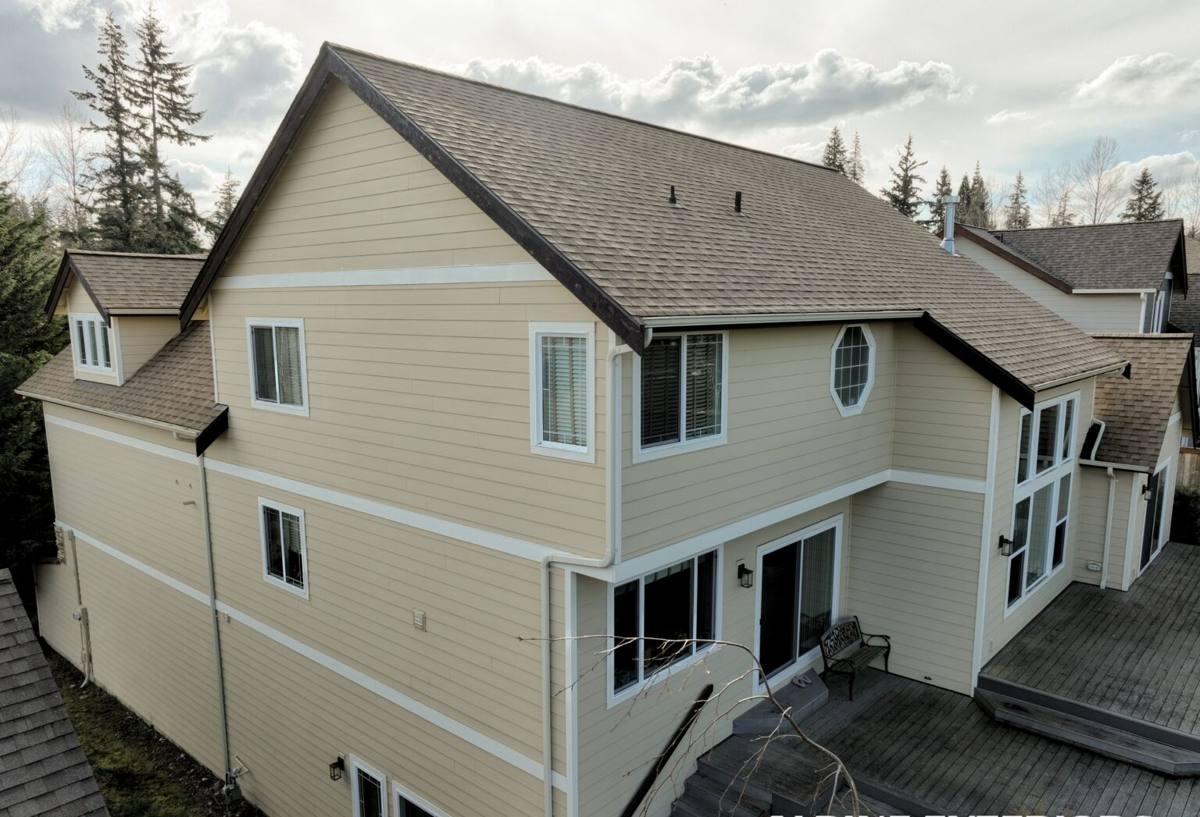
Signs Your Deming Home Needs New Windows — or Just a Better Install
Not every window problem means you need full replacement. Sometimes the window itself is fine and the installation is what failed. We look for a few tells before recommending anything:
- Fogging or a milky haze between panes — the seal has failed and the insulated glass unit needs replacing, not just the sash.
- Soft or discolored trim and sills, especially on north- and west-facing walls that catch the most driving rain.
- Drafts you can feel with your hand along the frame edge, not just at the sash where it opens.
- Visible gaps behind interior trim once you pull it back, often a sign the original flashing or sealant was skipped.
- Windows that are hard to open or won't stay latched — frames can swell and warp from repeated wet-dry cycles.
- Moss or dark staining building up on the sill or exterior casing, which points to water sitting where it shouldn't.
If what you're seeing is limited to caulking or trim, sometimes a repair and re-seal is the honest answer. We'll tell you that instead of pushing a full replacement you don't need yet.
What a Correct Window Installation Actually Involves
A window installation is judged almost entirely on things you can't see once the trim goes back on. The window unit itself — vinyl, fiberglass, wood-clad — is usually not where failures start. Failures start at the rough opening, the flashing sequence, and the gap between the frame and the wall.
The parts that matter most
Correct installation means the rough opening is checked for level and square before the new window ever goes in, the sill pan is sloped and sealed so any water that gets past the glass drains back outside instead of into the wall cavity, and flashing tape is layered shingle-style — bottom first, then sides, then top — so water is always directed downward and outward, never trapped behind a seam. Low-expansion foam and backer rod fill the gap between frame and rough opening for insulation, with a proper bead of exterior sealant as the final weather barrier, not the only one.
Skip any one of those steps and the window can look perfect from the curb while quietly letting water into the wall assembly. In a valley that sees this much sustained rain, that kind of shortcut usually shows up as rot or mold inside the wall within a few wet seasons, well after the crew that cut corners is gone.
Material and Frame Choices for This Climate
There's no single "best" window material — there's a best fit for your home, your budget, and how much upkeep you want to take on. Here's how the common options hold up under Whatcom County's wet-and-mossy conditions:
| Frame Material | Moisture Behavior | Upkeep | Typical Fit |
|---|---|---|---|
| Vinyl | Won't rot; seams need good installation to stay watertight | Low — occasional cleaning | Most Deming homes, best value |
| Fiberglass | Very stable in wet/dry cycles, resists warping | Low | Homes wanting a longer-term, lower-movement frame |
| Wood-clad | Good if cladding and seals stay intact; interior wood needs protection from condensation | Moderate to high | Homes prioritizing a traditional wood interior look |
| Aluminum | Conducts cold, prone to condensation in our damp climate | Low | Rarely our first recommendation for this area |
We steer most Deming homeowners toward vinyl or fiberglass, not because wood-clad is a bad product, but because the maintenance burden of keeping cladding seams and exterior wood sealed against this much rain is a real, ongoing cost — one worth knowing about honestly before you choose, not after the first winter.
Glass Packages
Double-pane, low-E glass is the standard baseline for this climate and handles our winters fine. Triple-pane adds real value mainly for noise reduction or a north-facing wall that never gets sun to help dry it out — it's a genuine upgrade, just not a requirement everywhere on the house.
Our Window Installation Process, Step by Step
- On-site assessment. We look at each opening individually — sun exposure, wall assembly, and current condition — because not every window on a house faces the same conditions.
- Measurement and product selection. Exact measurements are taken for each opening; we walk through frame material and glass options based on that specific wall's exposure.
- Removal and opening prep. Old windows come out carefully, and the rough opening is inspected for rot or damage before anything new goes in — this is where hidden problems from a past install often surface.
- Sill pan and flashing. A sloped, sealed sill pan goes in first, followed by shingle-lapped flashing tape around the full opening.
- Setting the window. The unit is leveled, plumbed, and shimmed before fastening, then insulated around the frame with low-expansion foam.
- Exterior and interior finish. Exterior trim and sealant complete the weather barrier; interior trim is reset or replaced to match your home.
- Final check. We test operation, latching, and look for any daylight or draft gaps before calling the job done.
Common Installation Mistakes We Fix in Older Deming Homes
A lot of our repeat calls in this area aren't about the window brand — they're about a previous install that skipped a step to save time. The most common ones we find:
- Caulk used as the only water barrier, with no flashing tape behind it at all.
- Flashing installed in the wrong order, so water gets funneled behind the frame instead of away from it.
- No sill pan, or a flat one with no slope, so water pools instead of draining.
- Windows shimmed out of square, which strains the frame and causes premature seal failure around the sash.
- Spray foam used without backer rod, leading to over-expansion that bows the frame inward.
None of these show up on a visual inspection from the outside. They show up two, three, or five winters later, usually as soft trim, an interior stain below the sill, or a musty smell near the wall. Catching them early is a lot cheaper than waiting for wall damage.
Cost Factors: What Actually Changes the Price
We don't post fake per-window pricing because it depends on real variables at your house — but here's what actually moves the number, so an estimate makes sense when you get one:
| Factor | Why It Matters |
|---|---|
| Frame material | Vinyl is generally the most budget-friendly; fiberglass and wood-clad cost more upfront |
| Opening condition | Rot or damage found in the rough opening adds repair work before the new window goes in |
| Window size and type | Large picture windows, bays, and custom shapes cost more than standard double-hungs |
| Number of windows | Doing a whole house at once is typically more efficient per-window than one-off replacements |
| Access and story height | Second-story or hard-to-reach windows take more setup time |
| Trim and siding match | Matching existing trim or siding profiles around the new opening can add labor |
We'll walk your specific windows with you and point out which of these apply before giving you a number — not a generic per-window rate that doesn't account for what's actually going on at your house.
What to Ask Before Hiring a Window Installer in Deming
- Do you check and repair the rough opening before installing, or just swap the window into the existing hole?
- What's your flashing sequence, and will you show me the sill pan detail before it's covered up?
- Are you licensed and insured to do this work in Washington?
- What's the warranty on the window itself versus the warranty on your installation labor?
- Have you worked in Deming or the greater Sudden Valley area before, and do you understand our rain and moss exposure?
- Will you put the material, sizes, and process details in writing before work starts?
Any installer should be able to answer these clearly and without hesitation. If someone can't describe their flashing sequence or brushes off the rough-opening question, that's worth noticing before you sign anything.
Why a Crew That Already Works Deming Matters
Whatcom County covers a lot of ground, from coastal exposure to river valleys like this one, and window installation done right looks a little different in each. A crew that's already worked homes in and around Deming and Sudden Valley knows which walls tend to catch the worst of the driving rain, how long moss season really runs here, and what a wet-dry cycle does to a frame over a full year, not just on install day. That's the difference between an installer who follows a generic checklist and one who adjusts the flashing detail, glass package, or trim choice because they've actually seen what holds up in this valley and what doesn't.
It also means fewer surprises during the job — knowing what older Deming-area construction typically looks like behind the siding, and being ready for it, instead of discovering it for the first time on your house.
If your windows are drafty, fogged, or just original to a house that's been standing through a lot of Whatcom County winters, we're happy to take a look. Reach out for a free, no-pressure estimate — we'll walk your windows with you, point out what we actually see, and give you honest options before any work starts.