 Sudden Valley Siding
 Metal Roofing Built for Yew Street's Weather
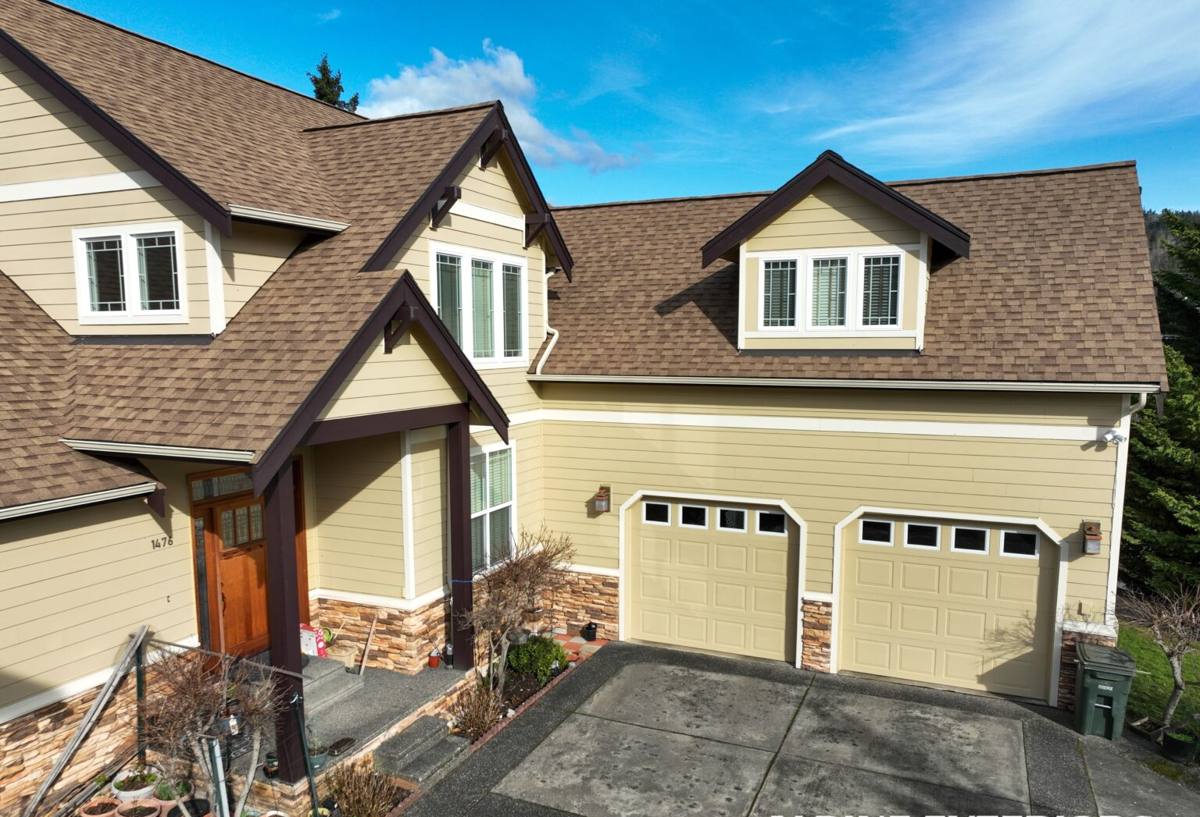
Homes along Yew Street sit in a pocket of Whatcom County where Lake Whatcom's moisture, salt-tinged air moving up from the Sound, and long stretches of gray, wet weather all work on a roof at the same time. A roof here doesn't fail from one big storm — it fails from ten months a year of dampness that never fully dries out, plus wind-driven rain that finds every weak seam. Metal roofing, installed correctly for this specific setting, handles that combination better than most alternatives, but "installed correctly" is doing a lot of work in that sentence. Panel choice, fastener type, underlayment, and flashing detail all have to match the actual conditions on your street, not a generic spec sheet.
This page covers what a metal roof needs to hold up on Yew Street specifically — the coating and fastener choices that matter here, how moss and moisture pressure change the maintenance picture, and what our crew actually does differently because we already work this neighborhood.
Why the Local Climate Changes the Job
Salt Air and Corrosion
Being near Lake Whatcom doesn't mean full coastal salt exposure like a beachfront property, but there's enough moisture and mineral content in the air moving through the valley to accelerate corrosion on the wrong metal or the wrong fasteners over a decade or two. Bare or poorly coated steel, and especially mismatched fasteners (the wrong metal touching your panel metal), will show rust streaks well before the roof's rated lifespan is up. We select coatings and fastener alloys that are compatible with each other and with the moisture load this area actually sees, not just what's cheapest to stock.
Driving Rain
Storms coming across the lake and through the valley often bring rain sideways, not straight down. That matters because a metal roof's water resistance depends heavily on lap details, panel overlap, and how flashing is integrated at valleys, penetrations, and wall transitions — a roof that sheds water fine in a calm rain can still leak under wind-driven rain if those details are loose. We size overlaps and seal transitions with that wind pattern in mind rather than the minimum the panel manufacturer allows.
Moss Season
Whatcom County's shaded, moisture-heavy stretches from fall through spring are prime moss conditions, especially where trees overhang a roofline. Moss holds water against a roof surface far longer than the roof would otherwise stay wet, and on some materials that moisture retention leads to rot or granule loss underneath the moss itself. Metal doesn't feed moss the way organic roofing materials can, and smooth panel profiles give moss less to grip — but moss can still gather in valleys, behind panel ribs, and around penetrations if debris collects there. Roof geometry and gutter/valley design matter as much as the panel itself for keeping moss from becoming a real problem.
What a Correct Metal Roofing Job Involves
Panel and Coating Selection
Not every metal roofing product is a good fit for this climate. We generally steer toward panels with a proven, factory-applied coating system suited to wet, temperate climates, in a profile (standing seam vs. exposed-fastener) that matches your roof's pitch and your budget. Steeper, simpler roofs can sometimes justify an exposed-fastener panel; more complex rooflines with valleys and dormers usually do better with standing seam, since it has fewer penetration points for water to find over time.
Underlayment and Deck Prep
A metal panel is only as good as what's underneath it. On a moisture-heavy site like this, we use a high-temp synthetic or self-adhered underlayment appropriate to the panel type, and we check the deck itself for soft spots or prior water damage before anything new goes down. Covering a compromised deck with a beautiful new roof just delays the same problem.
Flashing and Penetrations
Chimneys, vents, skylights, and wall transitions are where most metal roof leaks actually start — not in the field of the panels. Correct flashing here means custom-formed pieces integrated with the panel system and underlayment in the right layering order, not generic trim pieces caulked into place. Caulk is a backup, not a strategy.
Fastening
Fastener spacing, type, and torque affect both leak resistance and how the roof handles thermal expansion — metal panels expand and contract with temperature swings, and fasteners that don't accommodate that movement eventually work loose or crack their seals. We fasten to the panel manufacturer's engineered spec, not a shortcut pattern.
| Factor | Why It Matters on Yew Street |
|---|---|
| Panel profile | Standing seam handles complex rooflines and valleys with fewer leak points than exposed-fastener panels |
| Coating system | Needs to resist the area's persistent moisture and mild salt exposure without chalking or fading early |
| Fastener compatibility | Mismatched metals corrode faster in humid, moisture-heavy conditions |
| Underlayment | Backs up the panel system during wind-driven rain and ice-adjacent freeze-thaw swings |
| Roof geometry | Valleys and shaded areas collect moss and debris faster; design and gutter placement affect how much maintenance you'll need |
| Flashing detail | Where the majority of real-world leaks originate, regardless of panel quality |
Our Process for Yew Street Projects
1. On-Site Assessment
We walk the roof (or inspect from the deck when pitch or access requires it), check the current deck condition, note existing moss, ventilation, and any signs of past leaks around penetrations. We also look at tree cover and roof orientation, since both affect how much moss and debris buildup you should expect going forward.
2. Straightforward Recommendation
You get a recommendation based on your roof's actual geometry and exposure — not an upsell to the most expensive panel system regardless of fit. If a mid-range exposed-fastener system genuinely suits your roof, we'll say so.
3. Written Estimate
Scope, materials, and cost ranges in writing before any work starts, including what's covered by manufacturer warranty versus our workmanship warranty, so there's no ambiguity later.
4. Installation
Deck inspection and repair as needed, correct underlayment, panel installation to manufacturer engineering specs, and custom flashing at every penetration and transition — not generic trim.
5. Walkthrough
We go over the finished roof with you, point out anything worth watching (like a tree limb overhanging a valley), and make sure you know what routine maintenance, if any, we'd suggest.
Maintenance Realities for This Area
Metal roofing is genuinely low-maintenance compared to most alternatives, but "low" isn't "none," especially with this area's moss pressure and tree cover in some parts of the neighborhood. A short annual checklist keeps small issues from becoming expensive ones:
- Clear debris (needles, leaves, small branches) from valleys and around penetrations, especially after fall storms
- Check gutters and downspouts for clogs that can back water up under panel edges
- Look for early moss growth in shaded valleys and remove it before it spreads or holds moisture
- Watch for any staining or streaking around flashing points, which can indicate a seal starting to fail
- After major windstorms, do a visual check for lifted panel edges or loose trim
Cost Factors Homeowners Should Know
Metal roofing costs more upfront than asphalt shingles, and the final number depends on several things specific to your property rather than a flat per-square-foot rate:
| Cost Driver | Impact |
|---|---|
| Panel profile (exposed-fastener vs. standing seam) | Standing seam typically costs more due to labor and material, but reduces long-term leak risk on complex roofs |
| Roof complexity | More valleys, dormers, and penetrations mean more flashing work and labor time |
| Deck condition | Rot or soft decking found during tear-off adds repair cost but prevents a bigger problem later |
| Access and pitch | Steep or hard-to-access roofs require more safety equipment and time |
| Coating tier | Higher-grade coatings cost more but hold color and corrosion resistance longer in this climate |
We're straightforward about these ranges during the estimate rather than giving a number that changes dramatically once work starts.
Why Local Experience on This Street Matters
A crew that already works in Sudden Valley and the surrounding Whatcom County neighborhoods has seen how roofs in this specific microclimate actually age — which valleys collect moss first, which flashing details tend to loosen under the area's wind patterns, and how the lake's moisture affects material choices differently than it would twenty miles inland. That's not something you get from a national installer parachuting in for one job. It shows up in smaller, practical decisions: which coating we won't recommend here even though it's fine elsewhere, how we detail a valley that sits under overhanging trees, or where we tell a homeowner a gutter upgrade will do more for their roof's lifespan than a pricier panel would.
Get a Straightforward Estimate
If you're weighing a metal roof for your Yew Street home, we're glad to come take a look, walk you through what your specific roof needs, and give you a clear, no-pressure estimate — no scare tactics, no inflated urgency. Use the form below to get started.