 Sudden Valley Siding
 Window Installation for Yew Street Homes in Sudden Valley
Yew Street sits inside the Sudden Valley community in Whatcom County, and like the rest of the neighborhood, its homes take a steady beating from Pacific Northwest weather. Marine air moving in off the Sound, driving rain that comes sideways more often than straight down, and a moss season that can stretch most of the year in the shaded, tree-covered lots common around here — all of it works on window frames, sills, and the seals around them. Window installation in this pocket of Whatcom County isn't a cosmetic upgrade. It's weatherproofing work first, and looks second.
We've worked enough jobs on and around Yew Street to know the pattern: homes built in different decades with different window technology, mixed exposure depending on which side of the lot faces the weather, and a lot of trim and siding that's been patched around old, failing windows instead of properly re-flashed. Getting a window installation right here means understanding all of that before the first sash ever comes out.
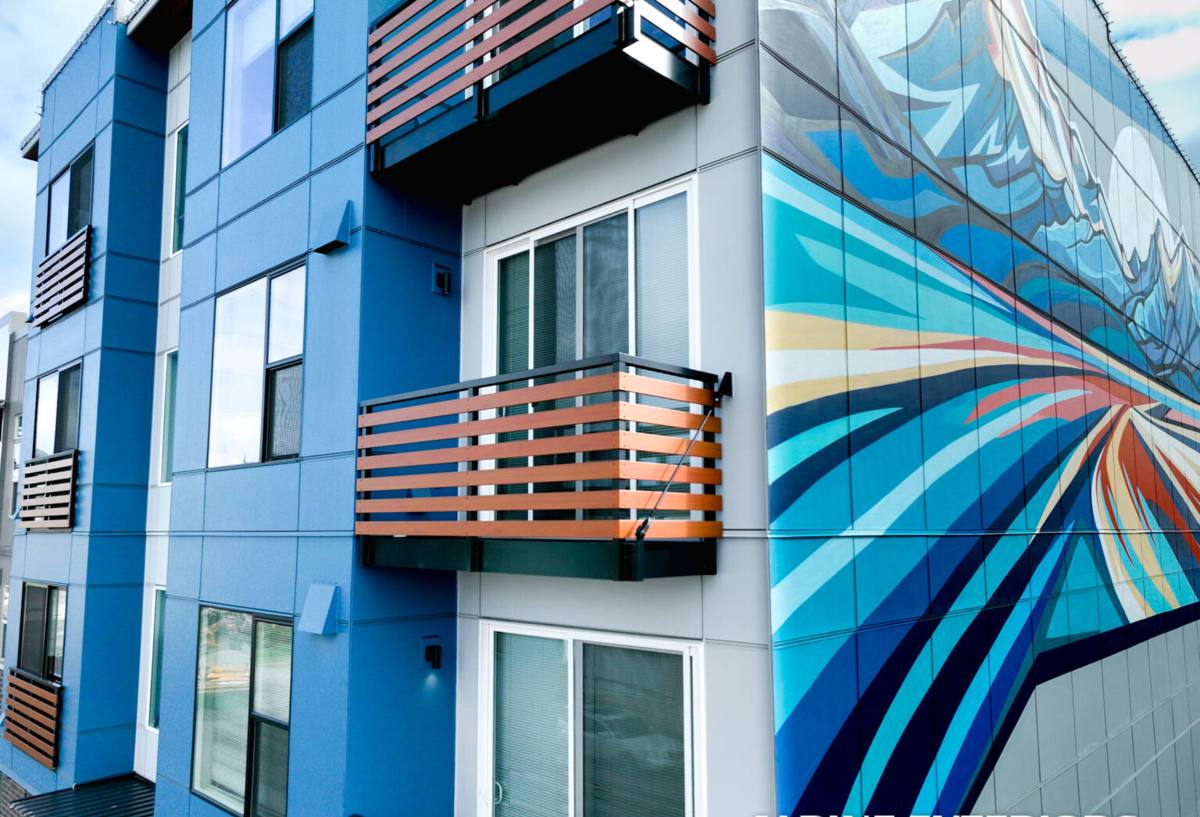
What This Climate Actually Does to Windows
It helps to understand the specific ways Whatcom County's climate wears on windows, because it changes what "correct installation" looks like.
Driving Rain and Wind-Driven Moisture
Rain here doesn't just fall — wind pushes it sideways into window assemblies, which means water finds any gap in flashing or sealant and drives it inward rather than letting it run off. A window that would perform fine in a dry climate can fail here in a few years if the flashing details aren't right.
Salt-Laden Marine Air
Air moving inland off the Sound carries fine salt and moisture that accelerates corrosion on hardware, fasteners, and unprotected metal components. Over time this shows up as pitted locks, stiff cranks on casement windows, and streaking on frames that never fully dries out.
Long Moss and Mildew Season
Shaded lots and consistent damp conditions mean moss and mildew get a long runway to establish themselves on sills, tracks, and anywhere water sits instead of draining. Once organic growth gets into a track or weep system, it holds moisture against the frame instead of letting it shed, which shortens the life of both the window and the wall behind it.
What a Correct Window Installation Actually Involves
A lot of window problems we get called out to inspect aren't the window's fault — they're installation shortcuts. A proper job includes steps that don't show once the trim is back on, which is exactly why they matter.
- Full removal and inspection of the rough opening, not just pulling the old sash and dropping a new unit into the existing frame
- Sill pan flashing that directs any water intrusion back out and away from the wall assembly, not just a bead of caulk
- Proper shimming and leveling so the window operates smoothly and the seal compresses evenly all the way around
- Integrated flashing tape or membrane that overlaps correctly with the home's weather-resistive barrier, shingle-style, so water sheds downward and outward
- Backer rod and appropriate sealant at the exterior joint, sized and installed so it can flex with seasonal movement instead of cracking
- Insulation of the gap between the frame and rough opening without overpacking, which can bow the frame and cause the sash to bind
- Interior air sealing so conditioned air isn't leaking out around the frame and pulling humid air in behind it
Skip any one of these and the window can still look fine for a year or two. In this climate, the shortcuts usually show up as soft trim, interior sill staining, or fogged glass from a failed seal well before the window itself is actually worn out.
Signs a Yew Street Home Needs Window Installation, Not Just Repair
Homeowners often ask whether a problem window can be patched instead of replaced. Sometimes it can. Here's what tends to tip the decision toward full installation rather than a repair:
- Fogging or a visible haze between panes — the seal on the insulated glass unit has failed and can't be fixed, only replaced
- Soft or discolored wood trim around the frame, which usually means water has already been getting behind it
- Windows that are difficult to open, won't stay up, or don't latch fully — often a sign the frame has shifted or swollen
- Persistent moss or dark staining on the sill that keeps coming back no matter how often it's cleaned
- A noticeable draft or cold spot at the frame even with the window fully closed and locked
- Single-pane or original builder-grade windows original to an older home, which are past their realistic service life in this climate
Repair vs. Replace, Quickly
If the glass and hardware are sound and the only issue is exterior caulking or weatherstripping, a repair can buy time. If water has reached the frame, sill, or the wall behind it, replacement is almost always the more honest recommendation — patching over hidden rot just delays a bigger repair later.
Our Process on a Yew Street Job
- On-site assessment. We look at each window individually — exposure, condition, and what's happening behind the trim — rather than quoting a flat per-window price without seeing the house.
- Product selection. We walk through frame material, glass package, and style options suited to that specific window's exposure and the home's design, not a one-size-fits-all recommendation.
- Written estimate. Scope, materials, and timeline in writing before any work starts, so there are no surprises mid-job.
- Careful removal. Old units come out cleanly, with the opening inspected for hidden moisture damage before anything new goes in.
- Correct flashing and sealing. This is where most of the long-term performance comes from, and it's not a step we shortcut to save time.
- Interior and exterior finish work. Trim, caulking, and touch-up so the finished window looks like it belongs on the house.
- Final walkthrough. Every window operated and checked with you before we consider the job done.
Choosing a Frame Material for This Climate
There's no single "best" window material — the right choice depends on exposure, budget, and how much upkeep you want to take on. Here's how the common options actually perform under Whatcom County conditions:
| Frame Material | Moisture Performance | Maintenance | Typical Trade-Off |
|---|---|---|---|
| Vinyl | Good — won't rot, resists salt-air corrosion | Low; occasional track cleaning | Fewer color/finish options; frames can flex on very large units |
| Fiberglass | Very good — dimensionally stable, holds paint well | Low | Higher upfront cost than vinyl |
| Wood-clad | Good on the exterior clad side, but interior wood needs protection from condensation | Moderate to higher | Best appearance for traditional homes; more sensitive to installation quality |
| Aluminum | Poor thermal performance and prone to condensation in this climate | Low | We generally don't recommend it for residential replacement here |
For most Yew Street homes we work on, fiberglass and quality vinyl are the practical choices — both handle the damp, salt-tinged air well without demanding constant upkeep. Wood-clad still has a place where matching an existing architectural style matters more than minimizing maintenance.
What Drives Window Installation Cost
We're not going to quote a number here that doesn't reflect your actual house — every job is priced after we see the windows in question. But the main factors that move the price up or down are the same across the neighborhood:
| Factor | Why It Matters |
|---|---|
| Number and size of windows | Larger units and full-house replacements have per-window efficiencies but a bigger total cost |
| Frame material | Fiberglass and wood-clad generally cost more than vinyl for the unit itself |
| Condition of the rough opening | Hidden rot or water damage found during removal adds repair scope before the new window goes in |
| Glass package | Low-E coatings and gas fill add cost but improve comfort and reduce condensation risk |
| Trim and siding work | Matching existing trim or siding profiles takes more labor than a straightforward swap |
| Access and second-story work | Difficult access adds labor time and equipment needs |
Why a Local Crew Matters for This Job
Window installation is one of those jobs where regional experience shows up in the details. A crew that's already worked windows in Sudden Valley knows which exposures on which sides of a lot take the worst of the driving rain, how much clearance to leave for a moss-prone sill to actually shed water, and what flashing details hold up through a full Whatcom County winter instead of just looking fine on install day.
It also means we're not learning the area's permitting and inspection expectations on your job. Local crews build relationships with local suppliers too, which matters when a specific size or style needs to be special-ordered rather than pulled off a generic stock list.
Questions Worth Asking Any Contractor Before You Hire
- Do you flash and seal to a written standard, or is it left to individual crew judgment?
- Will you inspect the rough opening for hidden damage before installing, and what happens if you find some?
- What's covered under the installation warranty versus the manufacturer's product warranty?
- Can you provide a written, itemized estimate before work starts?
- Who's actually doing the installation — your own crew or a subcontractor?
After Installation: Keeping Windows Performing in This Climate
A correctly installed window still needs a little seasonal attention here. Clear debris and moss from tracks and sills a couple of times a year so water has somewhere to go. Check exterior caulk lines annually, since UV and constant damp-dry cycling break down sealant faster than in drier climates. Operate every window at least a few times a year, even the ones you rarely open, so hardware doesn't seize from disuse combined with salt-tinged air. None of this is complicated, but skipping it is how a well-installed window ends up looking neglected years before it should.
If windows on your Yew Street home are drafty, fogged, hard to operate, or just original to a house that's due for an upgrade, we're happy to take a look and walk you through honest options. Reach out for a free, no-pressure estimate — someone will assess your specific windows and exposure before recommending anything.