 Sudden Valley Siding
 Window Installation in Alger: Built for Salt Air, Driving Rain, and a Long Moss Season
Alger sits along the I-5 corridor in northern Skagit County, just south of the Whatcom County line and close enough to Samish Bay and Puget Sound that homes here pick up airborne salt along with everything else western Washington winters bring. That's a different combination than what a lot of window contractors plan for. Salt-laden air, wind-driven rain off the water, and a long stretch of damp, shaded months each put their own stress on a window installation, and a job that ignores any one of them tends to show it within a few years, not decades.
Sudden Valley Siding Contractors works out of the Lake Whatcom area but takes on window installation work in Alger and the surrounding Skagit County communities regularly, and this page covers what that work actually involves here — what the climate does to a window opening, what a correct installation requires to hold up against it, and how our process runs from first look to final walkthrough.
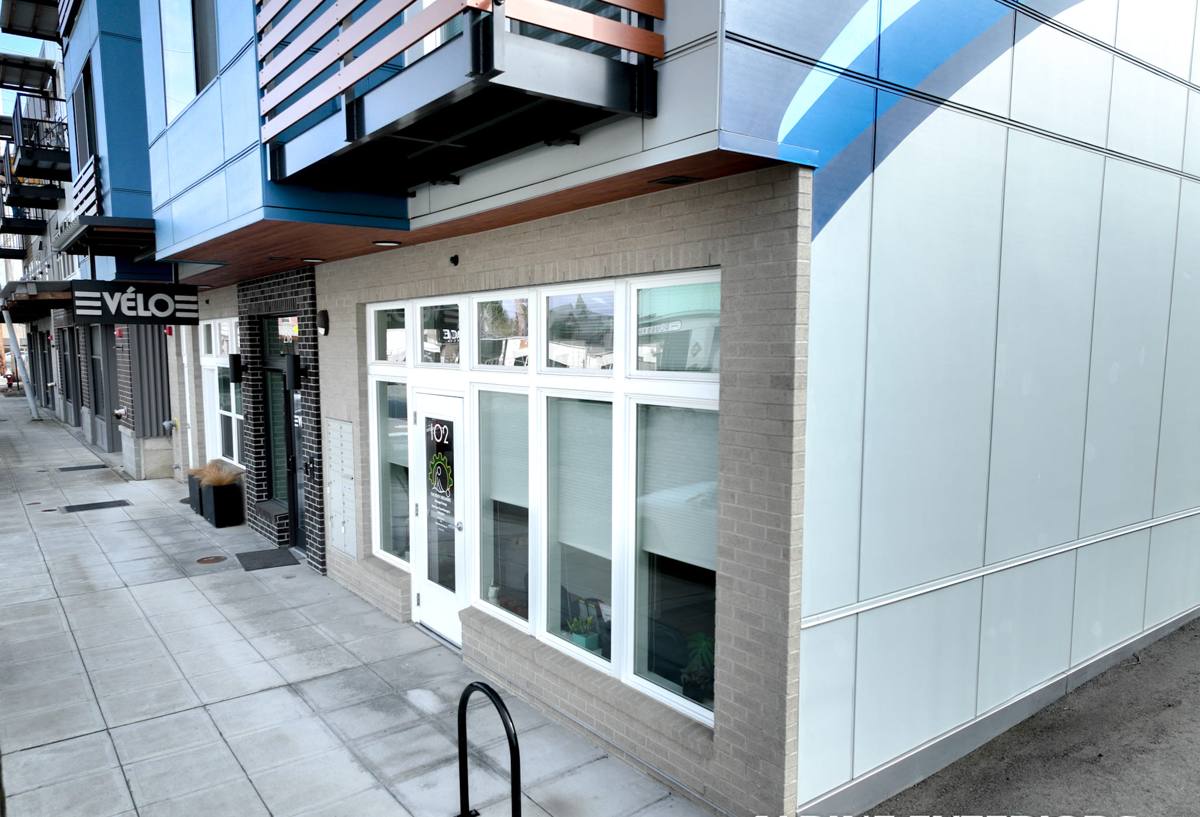
What This Climate Does to a Window Installation in Alger
Salt Air and Corrosion
Proximity to Samish Bay and the open water of Puget Sound means Alger homes deal with a measure of airborne salt that inland Skagit County properties don't see as much of. Salt accelerates corrosion on anything metal that isn't properly rated for it — exposed screws, hinge hardware on operable sashes, and lower-grade aluminum components can all start showing pitting or white corrosion product years before they should. It's rarely dramatic on its own, but it compounds: corroded fasteners loosen, loose fasteners let water in, and water intrusion is what actually causes the expensive damage.
Driving, Wind-Driven Rain
Storms coming off the water don't just drop rain straight down — they push it sideways into whatever wall happens to be facing the wind, and a window is the single largest interruption in that wall's water-shedding surface. A window unit can carry a strong energy rating and a solid manufacturer warranty and still leak if the flashing behind it isn't integrated correctly with the surrounding wall assembly. On exposed elevations, that flashing work matters as much as the window itself.
A Long Moss and Mildew Season
Shade, humidity, and the mild temperatures typical of this part of Skagit County keep surfaces damp for a large part of the year, and that's the exact environment moss and mildew need to establish. Window sills, exterior trim, and casing that don't shed water quickly stay wet longer between storms, and once moss or mildew gets a foothold on wood trim it holds moisture against the surface and speeds up rot underneath. Detailing that sheds water fast — sloped sills, drip caps, proper caulking lines — matters more here than it would on a drier, sunnier property.
What a Correct Window Installation Actually Involves
Removing the Old Window Without Damaging the Opening
Every installation starts with what's already there. Pulling an old window out cleanly, without tearing the surrounding sheathing or building paper, matters because that opening and its water management layers are what the new window ties into. Rushing this step to save time is one of the more common ways a new window ends up leaking within a couple of seasons — the visible finish work looks fine, but the hidden layer behind it was never put back correctly.
Flashing and the Sill Pan
A sloped sill pan under the new window and correctly lapped flashing tape around the jambs and head are what actually keep water out over time — not the window unit by itself. Water that gets past the exterior trim or a failed caulk line needs somewhere to drain that isn't into the wall cavity, and that's exactly what a sill pan is built to do. On an Alger home taking direct wind-driven rain on one or more elevations, skipping or shortcutting this step is where most long-term leaks start.
Insulation, Air Sealing, and Interior Finish
Once the window is set, level, and secured, the gap between the frame and the rough opening needs to be filled with a low-expansion foam or backer rod and sealant designed for that purpose — not packed tight with fiberglass batting, which does little to stop air movement. Interior trim and exterior caulking get finished last, after the window has been checked for square, level, and proper operation. Skipping the air-sealing step doesn't usually cause a visible leak, but it does show up as drafts and a higher heating bill through the winter.
Choosing the Right Window for an Alger Home
Frame material is the biggest decision on any window job, and it matters more here than on a typical inland property because of the added salt exposure. There isn't one right answer for every home — it comes down to budget, exposure, and how much long-term maintenance a homeowner wants to take on.
| Frame Material | Salt Air / Moisture Behavior | Maintenance | Typical Lifespan Here |
|---|---|---|---|
| Vinyl | Won't corrode; UV and heat can cause frame distortion over decades | Low; no painting or sealing needed | 20–30 years |
| Fiberglass | Dimensionally stable; resists corrosion and expansion/contraction well | Low | 30+ years |
| Vinyl-clad or aluminum-clad wood | Good if cladding stays fully intact; exposed wood at cuts is vulnerable to moisture | Moderate; depends on cladding integrity | Variable |
| Bare aluminum | Conducts cold and is more prone to corrosion in salt air unless properly coated | Higher; coatings need monitoring | Shorter in this exposure |
Glass package matters as much as frame material. Washington's state energy code sets minimum performance requirements for replacement windows, and a double-pane, low-E unit with argon fill is standard on most jobs here; triple-pane is worth discussing on north- or west-facing walls that take the brunt of the wind and rain but usually isn't necessary on every elevation of a house.
Full-Frame Replacement vs. Insert Windows
There are two ways to replace an existing window, and the right choice depends on the condition of what's already in the wall.
- Insert (pocket) replacement: The new window goes into the existing frame, leaving exterior trim and siding largely undisturbed. It's faster and less invasive, but it only makes sense if the existing frame and sill are still sound and dry — installing an insert over a frame that's already taking on water just seals the problem inside the wall.
- Full-frame replacement: The window and its surrounding frame come out down to the rough opening, exposing the sheathing, flashing, and framing underneath for inspection and repair. It costs more and takes longer, but it's the only option when there's evidence of past water intrusion, rot, or when window sizes are changing.
On homes taking direct wind-driven rain, we check for soft framing and past water staining before recommending an insert — that inspection is what tells us which approach is actually appropriate, not the homeowner's preference alone.
Signs Your Current Windows Need Attention
- Fogging or a hazy film between panes, which means the seal on a double-pane unit has failed
- Soft, spongy, or discolored wood at the sill or lower corners of the frame
- Visible corrosion or white residue on hardware, hinges, or exposed fasteners
- Moss or dark staining developing on the sill or exterior trim that returns quickly after cleaning
- Drafts or noticeable temperature difference near the window when it's windy outside
- Difficulty opening, closing, or latching a window that used to operate smoothly
Why a Crew That Already Works Alger Matters
Alger doesn't have the density of window contractors that a larger city does, and that means homeowners here often end up choosing between someone who mainly works city lots an hour away or a crew that's actually familiar with this specific stretch of Skagit County. That familiarity shows up in practical ways: knowing which elevations on a typical Alger property take the worst of the wind off the water, using fastener and hardware grades suited to salt exposure without being asked, and building in the sill and trim detailing that holds up through a long wet season rather than the minimum a manufacturer's instructions technically require.
A Simple Checklist Before Hiring for Window Work in Alger
- Ask whether they recommend full-frame or insert replacement for your specific windows, and why
- Confirm current Washington state contractor licensing and active liability insurance
- Ask what fastener and hardware grade they use given the salt air off Samish Bay and Puget Sound
- Ask how they handle flashing and sill pan detailing on wind-exposed walls
- Get a written scope of work, including the glass package and frame material, before signing anything
Our Process
We start with an on-site look at the existing windows and the wall around them, checking for soft framing, past water staining, and which elevations take the worst of the weather on that particular lot, since exposure can vary a lot even between homes a short distance apart in Alger. From there we walk through frame material and glass options against the homeowner's budget and priorities, and put together a clear, written scope before any work begins. On installation day we treat correct flashing, sill pan detailing, and air sealing as standard on every unit, not as upgrades — that's the work that determines whether a window installation holds up through its first few wet seasons or needs attention again sooner than it should.
If you're weighing window replacement for a home in Alger, we're happy to take a look and give you a straight read on what your windows actually need. Reach out below for a free, no-pressure estimate.