 Sudden Valley Siding
 Why Lake Whatcom Homes Take a Different Approach to Siding
Houses around Lake Whatcom deal with a wetter, greener version of what the rest of Whatcom County gets. Tree cover holds moisture against exterior walls longer than it does on an open lot, the lake itself keeps humidity higher through the shoulder seasons, and driving rain off the water finds every gap in a siding system that wasn't detailed correctly the first time. Add a moss and algae season that runs most of the year in the shaded, north-facing sections of a property, and you have a climate that punishes cheap materials and sloppy installation faster than most.
None of this is unique to one street or one part of the lake — it's the general character of this part of Whatcom County, and it's why the siding choice matters more here than it does in a drier inland climate. Siding that's marginal in Spokane can fail outright on a shaded lake-facing wall near Sudden Valley.
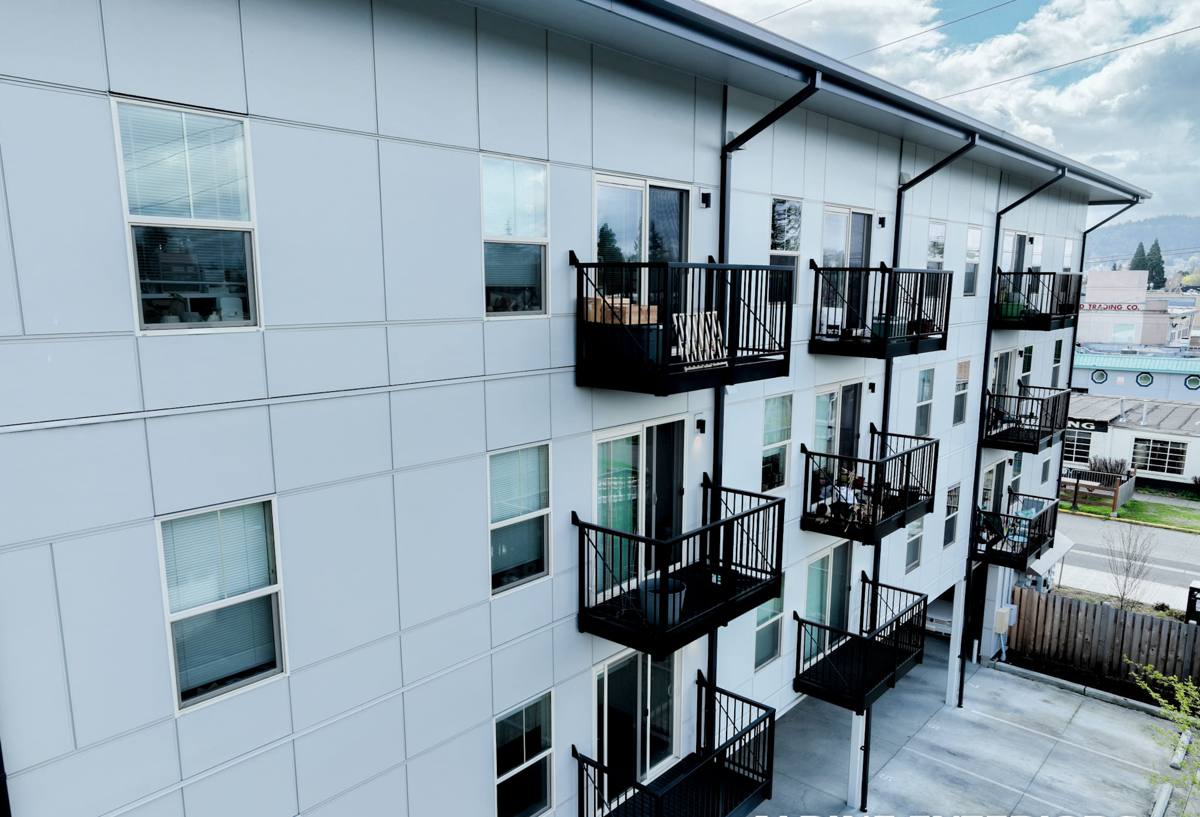
What Fiber Cement Gets Right for This Climate
Fiber cement is cement, sand, and cellulose fiber pressed and cured into a dense, stable board. It doesn't absorb water the way wood-based products do, it doesn't expand and contract with humidity swings the way vinyl does, and it holds a factory finish far longer than anything painted on site. For a lake property that spends half the year damp, those three traits matter more than color options or upfront price.
It's also dimensionally stable enough to hold a tight reveal line and crisp trim details over decades, which matters on the kind of architecture common around the lake — a lot of these homes have deep eaves, covered porches, and multiple roof planes that all need flashing and siding to work together, not fight each other.
Where It Still Requires Respect
Fiber cement is not maintenance-free, and it is not forgiving of bad installation. It has to be cut, fastened, gapped, and flashed to the manufacturer's written instructions or it will trap moisture behind the cladding — the exact failure mode homeowners are trying to avoid by upgrading away from wood or vinyl in the first place. The material is only as good as the crew installing it.
Why We Install Only James Hardie
We don't install LP SmartSide, vinyl, Cemplank, Allura, primed spruce, or cedar. That's a deliberate standard, not a brand preference dressed up as one.
- LP SmartSide is a wood-strand product with a resin coating. It performs reasonably in dry climates but leans on that coating staying intact at every cut edge to keep moisture out — a demanding standard to hold on a lake lot with year-round dampness.
- Vinyl is inexpensive and low-maintenance in the short term, but it's a thin, flexible material that can warp in temperature swings, fades over time, and offers no fire resistance — a real consideration with dry-season wildfire smoke and ember risk affecting the whole region in recent years.
- Cemplank and Allura are also fiber cement, and reasonable products in their own right. We standardized on one manufacturer so our crews install one set of specs, one set of trim and flashing details, and one warranty structure — consistency that shows up in fewer callbacks.
- Primed spruce and cedar are real wood. They look great new, but wood siding needs a maintained paint film to survive — and a maintained paint film is hard to keep up on a shaded, moss-prone lake wall.
James Hardie is non-combustible, engineered in climate-specific HZ product lines (the Pacific Northwest sits in the HZ5 zone, built around moisture exposure), finished at the factory with ColorPlus technology rather than painted on site, and backed by a strong transferable warranty when installed by a certified crew. That combination is why it's the only product we put on a home.
What a Correct Fiber Cement Installation Involves
Clearances and Drainage
Hardie siding needs a minimum clearance from grade, roofing, decks, and walkways, plus a drainage plane behind the board — usually a weather-resistive barrier with a rainscreen gap on a lake-exposed wall. Skip this and even the best siding traps water against the sheathing.
Fastening and Field Cuts
Fasteners have to land in the right zone with the right spacing, and every field cut needs to be sealed per spec, particularly on butt joints and around window and door openings. This is where careless installs fail first — an unsealed cut edge on a wall that gets driven rain off the lake is a slow, hidden problem.
Flashing, Caulking, and Trim
Head flashing above windows and doors, kickout flashing where a roofline meets a wall, and properly lapped weather barrier at every penetration are what actually keep water out — the siding itself is the last line of defense, not the first. Caulking is used sparingly and correctly, not as a substitute for proper flashing.
Fiber Cement vs. Other Siding Options
| Factor | James Hardie Fiber Cement | Vinyl | LP SmartSide | Cedar |
|---|---|---|---|---|
| Moisture behavior | Dense, non-absorptive board; needs correct drainage plane | Doesn't absorb, but seams and expansion gaps can let water behind it | Absorptive core; relies on intact resin coating | Absorptive; needs a maintained finish to resist rot |
| Fire resistance | Non-combustible | Melts/deforms under heat | Combustible, treated core | Combustible |
| Finish longevity | Factory-applied ColorPlus finish, long fade resistance | Color molded in, but fades over time | Factory primed or finished; still exposed at cuts | Needs repainting/staining every few years |
| Typical lifespan (installed to spec) | 30+ years | 20-30 years | 20-25 years | 15-25 years with upkeep |
| Installation sensitivity | High — must follow manufacturer specs | Moderate | Moderate to high at cut edges | High — finish maintenance is constant |
Our Process for Lake Whatcom Projects
Assessment
We walk the exterior, check the existing wall assembly, note shaded/moss-prone faces, and identify problem details — old flashing, deck ledger connections, low-clearance grade — before quoting anything.
Prep and Removal
Old siding comes off, sheathing gets inspected for hidden rot (common on lake-facing walls that have sat behind failed siding for years), and any damaged sheathing is repaired before anything new goes up.
Weather Barrier and Rainscreen
A proper weather-resistive barrier goes down first, with a rainscreen gap on exposed elevations so any moisture that does get behind the siding has somewhere to drain and dry.
Installation and Finish Walkthrough
Hardie boards go up to manufacturer spec — correct fastening, sealed cuts, proper flashing at every penetration — followed by trim, and a final walkthrough so the homeowner knows exactly what was done and why.
Maintenance in a Moss-Heavy, Wet Climate
Even the best siding benefits from basic upkeep here. A soft wash once a year on shaded or lake-facing walls keeps moss and algae from taking hold on the finish. Gutters and downspouts need to stay clear so water isn't sheeting down a wall it was never meant to run down. And any landscaping crowding a wall should be trimmed back — vegetation pressed against siding holds moisture against it and shortens the life of even a well-installed job.
- Inspect caulking at trim and penetrations once a year
- Soft-wash shaded and north-facing walls annually to control moss and algae
- Keep gutters clear so water sheds away from siding, not down it
- Trim back shrubs and trees that stay in contact with exterior walls
- Watch for soft spots or discoloration near grade, decks, and roof intersections
Why Local Experience in Lake Whatcom Matters
A crew that only occasionally works this side of Whatcom County will detail a wall the same way they would in a dry inland town. A crew that works Lake Whatcom regularly knows which elevations need extra drainage attention, which properties have shade and moss problems that affect material choice and maintenance advice, and how driving rain off the lake actually behaves against a wall — because they've seen the failures that come from ignoring it. That knowledge shows up in the flashing details and drainage decisions made before the first board ever goes up, not in anything visible on the finished wall.
What to Ask Before You Hire
- Are they James Hardie certified, and can they explain the HZ5 product line for this climate?
- Will they detail a written scope covering weather barrier, rainscreen, flashing, and fastening — not just "install siding"?
- Do they have experience with lake-facing or heavily shaded properties specifically?
- What does their warranty cover, and is it transferable if you sell the home?
- Will they inspect and repair sheathing before installing new siding, not just cover over it?
If your Lake Whatcom home needs new siding, or you're not sure whether what's on it now is doing its job, we're happy to take a look. Estimates are free and there's no pressure — just a straight answer about what your home needs and what it would take to do it right.