 Sudden Valley Siding
 Windows Built for Happy Valley's Climate, Not Just Any Climate
Happy Valley homes near Sudden Valley deal with a specific combination of weather that most window products were never designed around: wind-driven rain that finds its way sideways under eaves, a heavy marine-influenced dampness that lingers for months, and a moss season that can stretch from fall through spring. None of that is unusual for Whatcom County, but it does mean a window that performs fine in a drier inland climate can fail early here — fogging between panes, swelling frames, or letting cold air leak in around the sash within a handful of years.
Energy-efficient windows done right in this area aren't just about a lower heating bill, though that matters too. They're about a window system — glass, frame, flashing, and sealant — that's specified and installed to shed water, resist the moisture load of a long wet season, and keep doing its job without babysitting.
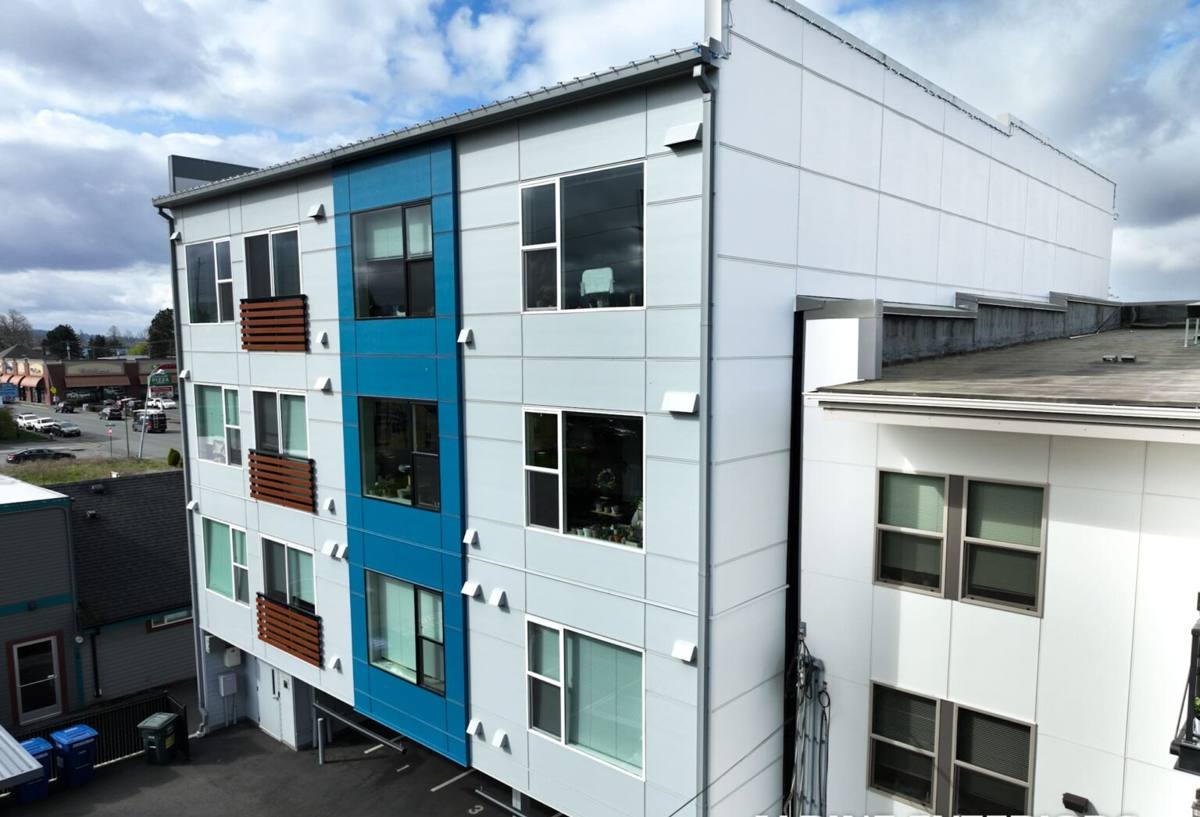
How This Climate Actually Wears Down a Window System
Wind-Driven Rain and Water Intrusion
Rain that falls straight down is easy to manage. Rain that gets pushed sideways by wind — which happens regularly around Sudden Valley and the surrounding hills — tests every seam in a window installation. If the flashing behind the trim isn't lapped correctly, or the sill pan wasn't built to shed water back outside, moisture works its way into the wall cavity over a few seasons rather than showing up as an obvious leak right away.
Salt Air and Hardware Corrosion
Whatcom County's proximity to the Sound and the Strait means many homes in this region get some level of salt-laden air, especially on exposed sides of the house. Salt air is hard on unprotected or lower-grade metal hardware — hinges, locks, and balance mechanisms — causing pitting and stiffness well before the glass or frame itself would need attention.
Moss, Algae, and Trapped Moisture
A long moss season doesn't just affect roofs and siding. Moss and algae take hold on window sills, in track channels, and along exterior trim wherever moisture sits instead of draining. Once organic growth gets established in those spots, it holds water against wood trim and caulk joints, which accelerates rot and seal breakdown right at the window perimeter.
What "Energy-Efficient" Should Mean for a Happy Valley Home
Glass Packages Worth Paying For
In this climate, the glass package matters more than the marketing term on the label. Double-pane with a low-E coating is the practical baseline for this region; the coating cuts heat loss through the glass and reduces interior condensation on cold, damp mornings, which is a common complaint in older single-pane or early dual-pane homes here. Argon or krypton gas fill between panes adds a modest efficiency bump, and warm-edge spacer systems (instead of older aluminum spacers) resist the seal failure that shows up as fogging between the panes — a failure mode we see often in aging replacement windows around Whatcom County.
Frame Materials: Trade-offs for a Wet Climate
We don't push one frame material as universally "best" — each has real trade-offs, and the right call depends on the home, the exposure, and the budget. What we won't do is install a frame material in a location where its known weaknesses (wood's moisture sensitivity in a high-exposure wall, for example) are a poor match for that spot, just to hit a lower price point.
| Frame Material | How It Handles This Climate | Maintenance | General Notes |
|---|---|---|---|
| Vinyl | Doesn't rot or corrode; performs well against rain and moisture | Low — occasional cleaning | Good value; quality varies a lot between manufacturers |
| Fiberglass | Very stable in temperature swings and moisture; strong long-term option | Low | Higher upfront cost, often justified on high-exposure walls |
| Wood (clad exterior) | Good insulator, but exterior wood needs a fully intact cladding layer to avoid moisture entry | Moderate to high depending on exposure | Best suited to protected elevations, not driving-rain walls |
| Aluminum | Conducts cold and can corrode with salt-air exposure over time | Low to moderate | We use it selectively; not our first choice for this region's climate |
Signs a Happy Valley Home Is Ready for New Windows
Most homeowners don't replace windows on a schedule — they replace them when something starts costing money or comfort. Here's what we'd want you to look for before scheduling an estimate:
- Visible fogging or a haze between the panes that won't clean off — the seal has failed
- Cold drafts near the window frame even when it's fully latched
- Soft or discolored wood trim around the window, especially on rain-exposed walls
- Windows that are hard to open, close, or lock — often a sign of a swollen or warped frame
- Visible moss, algae, or black staining collecting on the sill or in the track
- A noticeable rise in heating costs without a clear other explanation
- Condensation forming on the inside of the glass regularly through fall and winter
What a Correct Installation Actually Involves
The window unit itself is only part of the job. In a climate that pushes rain sideways for months at a time, the installation details around the window matter as much as the product.
Flashing and Water Management
Every opening gets flashed so water is directed back out and down, never trapped behind the trim or into the wall framing. This includes a sloped sill pan and properly lapped flashing tape at the head and jambs — done in the correct order so each layer sheds onto the one below it.
Air Sealing
A quality low-expansion foam or backer rod and sealant around the frame perimeter closes off the air gaps that cause drafts and heat loss. Overfilling with the wrong foam can bow a frame out of square, so this step is done with the right product and a light touch, not just "more is better."
Trim and Exterior Finish Integration
The trim and caulking that finish out the opening need to tie into the existing siding or trim in a way that keeps water moving outward. This is also where a lot of moss and algae problems start if the finish work leaves a ledge or gap where water and debris can sit.
Our Process, Start to Finish
- On-site assessment — we look at each opening individually, not just the window unit, since exposure and existing damage vary wall to wall on the same house.
- Product and glass recommendation — based on that specific wall's exposure to wind, rain, and sun, not a one-size answer for the whole house.
- Written estimate — clear on what's included: removal, disposal, flashing and sealing work, trim, and the window units themselves.
- Removal and inspection — once the old window is out, we check the framing and sheathing underneath for any moisture damage before anything new goes in.
- Installation — flashing, unit set, shimming and leveling, air sealing, and exterior trim finish, in that order.
- Final walkthrough — operation check on every window, a look at the finish work, and a chance to ask questions before we consider the job done.
What Drives the Cost
We'd rather explain what actually moves the price than throw out a number that doesn't apply to your house. Broadly, most full window replacement projects for a typical home fall somewhere in the low-to-mid thousands per window installed, with the specifics landing higher or lower based on the factors below.
| Factor | Why It Matters |
|---|---|
| Frame material | Vinyl is generally the most budget-friendly; fiberglass and clad-wood cost more upfront |
| Glass package | Low-E coatings and gas fill add cost but pay back in comfort and lower heating bills over time |
| Window size and style | Larger units, custom shapes, and operable styles (casement, awning) cost more than standard sliders or single-hung |
| Condition behind the old window | Rot or moisture damage found during removal adds repair scope before the new unit can go in |
| Number of openings | Doing multiple windows in one project spreads some labor and setup costs across the job |
| Access and exposure | Second-story or hard-to-reach openings take more time and equipment |
Why Local Experience in Happy Valley Actually Matters
A window installer who mostly works drier inland areas is guessing at how much flashing overlap, what sealant flexibility, and which frame materials hold up under this region's wind-driven rain and moss season. A crew that already works Happy Valley and the broader Sudden Valley area has seen which details fail first on homes like yours — the same siding types, the same roof-to-wall transitions, the same sun and wind exposure patterns — and builds the installation around that, not around a generic spec sheet.
That local knowledge also shows up in smaller ways: knowing which older homes in the area were built with wood-frame windows that are now due for an upgrade, or recognizing early moss and moisture staining as a sign to check the flashing rather than just re-caulking over it.
Keeping New Windows Performing Through the Wet Season
Even a well-installed window benefits from a little seasonal attention in this climate. Clearing debris from tracks and sills before the fall rains keeps water moving instead of pooling. A yearly check of exterior caulking catches small gaps before they let moisture behind the trim. And keeping nearby vegetation trimmed back reduces the shade and dampness that let moss get a foothold on sills and trim in the first place.
If your Happy Valley home has windows that are fogging, drafting, or just costing more to heat than they should, we're happy to take a look and give you a straightforward, no-pressure estimate — just fill out the form below.